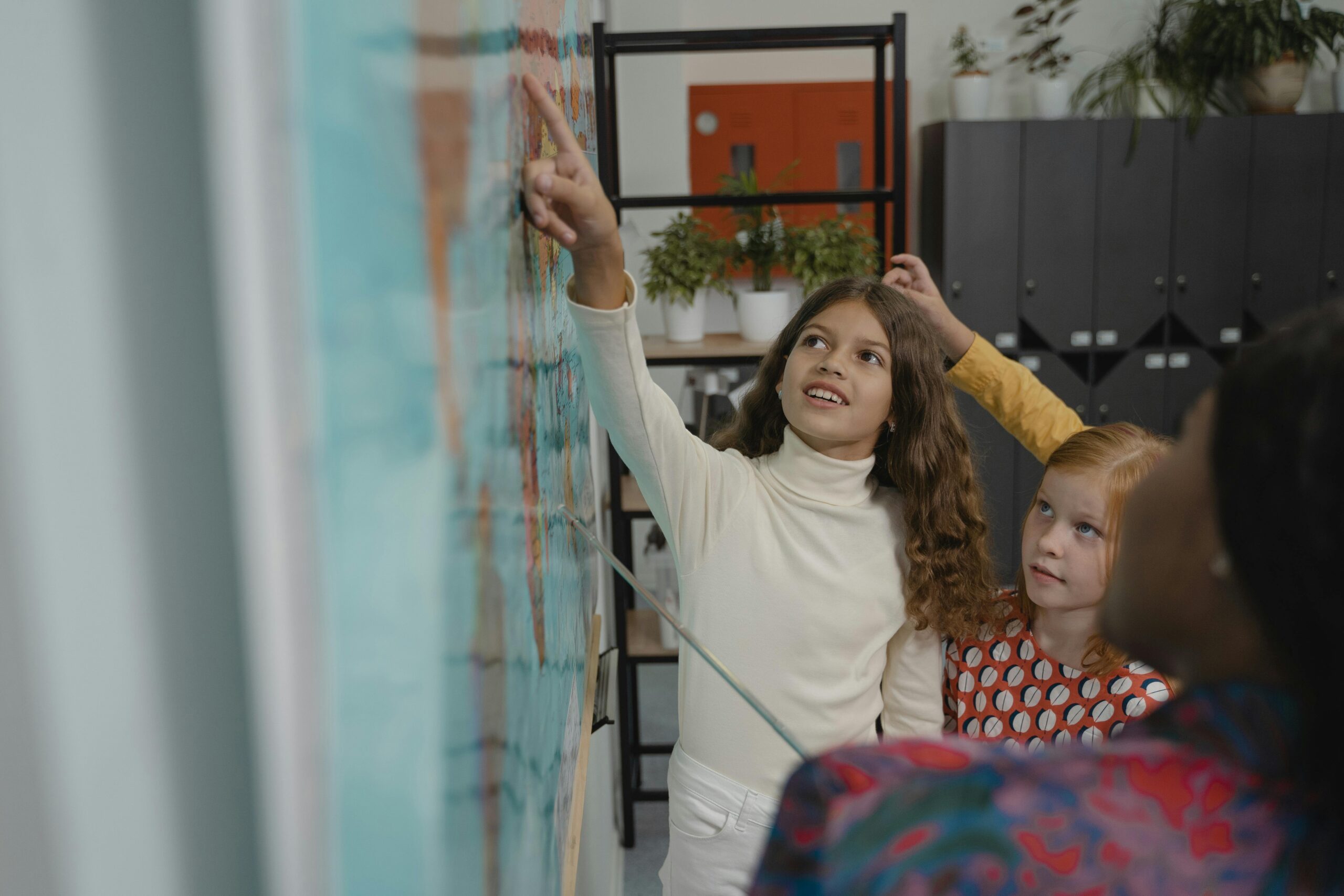


The field of elementary education is currently experiencing a foundational shift as 2026 marks the move toward “agentic” learning environments. Selecting contemporary research topics in elementary education is essential for practitioners and academics who must navigate the rise of autonomous AI tutors, the global prioritisation of neuro-inclusive classrooms, and the urgent need for climate-adaptive school infrastructure. In 2026, the focus has moved beyond basic digital literacy toward “human-machine co-creation,” where young learners develop metacognitive skills alongside intelligent systems. Simultaneously, the industry is grappling with the “engagement cliff,” seeking new ways to sustain curiosity through immersive and regenerative pedagogical models. This guide offers a comprehensive catalogue of 105 ideas to help you examine how social-emotional resilience, digital sovereignty, and inclusive design are redefining early years and primary schooling on a global scale.
Agentic AI and Autonomous Learning Systems
- Governing “Agentic AI” in Early Years Classrooms: Accountability and Ethics
Investigate the technical and administrative frameworks required to supervise autonomous AI agents that independently adjust curriculum difficulty for young learners. - The Shift from Reactive to Proactive Personalisation: Evaluating AI Tutors
Analysing how agentic systems identify student frustration through micro-behaviours and intervene before a “frustration wall” leads to disengagement. - Human-Machine Co-creation: Developing Metacognition in Elementary Students
Researching how interacting with autonomous AI partners helps children think about their own thinking and goal-setting processes. - The Impact of “Small Language Models” (SLMs) on On-Premise School Privacy
Evaluating the benefits of running compact, locally-hosted AI models that provide personalised support without transmitting sensitive data to the cloud. - Autonomous Feedback Loops: Measuring the Efficacy of Real-Time Instructional Adjustments
Investigating systems that autonomously suggest daily lesson plan pivots based on the previous hour’s student performance data. - Managing “Automation Bias” in Teacher Decision-Making: Preserving Professional Judgement
Researching the risk of educators over-relying on AI-generated “risk scores” for students and the subsequent impact on authentic teacher-student relationships. - Inference Economics in Schools: Balancing the Cost of AI Tokens with Educational Value
Analysing the management plans used by school districts to optimise the financial and energy costs of running high-frequency AI simulations. - Predictive Analytics for Early Literacy: Identifying “Churn” Patterns in Primary Readers
Evaluating the success of systems that predict reading stagnation weeks before traditional assessments identify a skill gap. - The Role of “Instructional Autopilots” in Easing Teacher Burnout and Administrative Load
Investigating how agentic AI can independently handle routine grading and reporting, allowing educators more time for direct mentorship. - AI-Driven “Digital Twins” of the Classroom: Simulating Pedagogical Shifts for Safety
Researching the use of virtual classroom replicas to test the impact of new seating arrangements or instructional methods before implementation. - Conversational Coaching Agents: Enhancing Oral Communication Skills in Early Learners
Evaluating the effectiveness of AI agents that engage students in multi-turn dialogues to improve vocabulary and quantitative reasoning. - Autonomous Student Engagement Analysis: Adjusting Strategies for Real-Time Participation
Investigating how AI monitors classroom behaviours and suggests immediate changes to teaching styles to recapture student attention. - Multi-modal AI Feedback: Integrating Voice, Text, and Visual Data for Comprehensive Assessment
Researching how AI can provide more holistic feedback by analysing a child’s spoken explanation alongside their written work.
Neurodiversity and Inclusive Pedagogy
- Inclusive by Design: Moving toward Universal Neuro-Inclusive Elementary Classrooms
Investigate the transition from individual accommodations to systemic environments that support all cognitive profiles as a standard. - Identifying Strengths in Neurodivergence: A Move beyond the Medical Deficit Model
Analysing the effectiveness of strengths-based assessments for students with autism, ADHD, and dyslexia in primary education. - The Role of Assistive Vision Agents in Supporting Students with Specific Learning Needs
Researching how real-time AI image-to-speech tools improve the autonomy and participation of neurodivergent learners in mainstream settings. - Designing Sensory-Resilient Learning Environments: Acoustic and Visual Standards
Evaluating the impact of regulated sensory load—such as fractal patterns and acoustic damping—on the focus and well-being of all students. - Social and Emotional Learning (SEL) for Neurodivergent Learners: Tailored Interventions
Investigating whether traditional SEL frameworks require modification to be inclusive of different social processing styles. - Teacher Training for Neuro-Informed Education: Moving beyond Formal Diagnosis
Analysing the success of professional development that focuses on identifying common barriers to learning regardless of a medical label. - The Intersectionality of Neurodiversity and Socio-Economic Background in Primary Care
Researching how cultural and economic factors influence the identification of and support for neurodivergent children in diverse contexts. - Innovative Assessment Methods: Replacing Standardised Tests with Dynamic Evidence
Evaluating the use of multi-modal portfolios and game-based assessments to capture the true competence of neurodiverse students. - The Role of “Challenge Networks” in Combating Groupthink in Special Education Leadership
Investigating whether encouraging constructive honesty within inclusive education teams leads to better risk assessments and safer care. - Attendance and Anxiety: Addressing School Avoidance through Inclusive Design
Researching the root causes of disengagement among neurodivergent students and evaluating non-punitive strategies for rebuilding trust. - Neuroeducation in Practice: Applying Brain Science to Personalise Learning
Investigating how principles of neuroscience are being used to time lessons and structure group work for maximum cognitive retention. - The Role of Microlearning in Reducing Cognitive Overload for Primary Students
Evaluating the success of breaking complex subjects into bite-sized, repeated chunks to improve long-term retention. - Differentiated Instruction through AI-Powered Scaffolding: A Classroom Performance Review
Analysing how teachers use AI to generate multiple versions of a single reading task to match diverse literacy levels in real-time.
- The Engagement Cliff: Addressing the Literacy and Confidence Crisis in Late Primary
Investigate the systemic literacy supports required to prevent the sharp decline in student motivation as they approach middle school. - Metabolic Resilience and Learning: The Impact of Nutrition on Cognitive Performance
Analysing the link between ultra-processed diets, low-grade inflammation, and the rising prevalence of attention disorders in children. - “Muscle as Medicine” in Schools: The Link between Physical Activity and Focus
Evaluating whether increased skeletal muscle mass and functional movement lead to measurable improvements in cognitive and emotional regulation. - The Impact of “Sleep Hygiene” Education on Student Mental Health and Academic Success
Researching the clinical benefits of school-led programmes that teach children the value of sensory control for restorative sleep. - Loneliness as a Clinical Health Determinant in Elementary Students: Socio-Emotional Risks
Analysing the physiological effects of social exclusion on the immune system and its correlation with chronic childhood stress. - The Gut-Brain Axis: Managing Behavioural Challenges through School Nutritional Policies
Investigating the effectiveness of dietary interventions in improving the mood and systemic resilience of students with emotional needs. - The Ethics of “Nudging” via Municipal AI: Influencing Public Health Habits in Schools
Evaluating the moral boundaries of using digital signage to influence child recycling, energy-saving, and nutritional choices. - Restorative Practice in a Digital World: Managing Conflict in Online Primary Forums
Researching the effectiveness of “slow” relationship-building techniques in an era of high-speed digital interaction and audits. - The Role of Music and Spatial Audio in Designing Restorative Classroom Environments
Investigating the physiological and cognitive benefits of integrating auditory cues into the daily healing and focus rituals of schools. - Managing “Technostress” in Elementary Teams: The Impact of Constant Digital Updates
Analysing the psychological toll of navigating high-speed, automated reporting systems on teachers and administrative staff. - Attention Management in an Era of High Stimulation: Pedagogical Interventions
Evaluating the effectiveness of “deep work” protocols for primary students to build cognitive endurance against social media-driven distraction. - The Role of “Planetary Citizenship” in Developing Early Years Empathy
Researching how global education frameworks help children see themselves as active, empathetic participants in a connected world. - Data-Driven Emotional Assessment Tools: Measuring Classroom Climate in 2026
Investigating the accuracy of apps that allow students to report their emotional state daily to help teachers manage class-wide well-being.
Climate Resilience and Regenerative Infrastructure
- Heat as an Instructional Condition: The Impact of Rising Temperatures on Achievement
Investigate how extreme heat waves widen the achievement gap and the requirement for school infrastructure to become an equity issue. - Regenerative School Design: Buildings that Actively Restore the Local Ecosystem
Analysing the feasibility of using living building materials to transform schools into net-positive environmental and educational assets. - Eco-Social Health in 2026: Addressing Environmental Determinants of Learning
Researching the link between urban air quality, school proximity to nature, and the rising prevalence of asthma and cognitive fatigue. - Sustainable Procurement in School Projects: Supporting Local Innovative SMEs
Evaluating whether simplifying the bidding process allows smaller, innovative local firms to compete for public school infrastructure contracts. - The Role of “School Microgrids” in Ensuring Energy Resilience during Systemic Shocks
Investigating the use of predictive AI to manage the local generation and storage of green energy for community school facilities. - Managing Climate-Induced Migration: Educational Responses to Internal Displacement
Analysing the support structures required for students forced to relocate due to environmental disasters and the resulting systemic pressure. - Urban Greening as a Tool for Social Justice: School Park Projects in Low-Income Areas
Researching whether increased access to nature within school grounds leads to measurable improvements in student well-being and safety. - The Ethics of “Energy-Intensive” Research in Digital Education and EdTech
Evaluating the policy debates regarding the regulation of energy-hungry AI experiments and massive data centre usage in schools. - Carbon-Aware Data Management: Reducing the Environmental Footprint of School Storage
Investigating the energy savings associated with identifying and removing “dark data” from corporate and municipal school cloud accounts. - The Impact of Water Scarcity on School Hygiene and Social Inequality in Arid Regions
Analysing the long-term planning required to protect school water supplies from the demands of increasing local urbanisation. - Regenerative Pedagogy: Education for Sustainable and Just Transitions
Investigating how curricula can move beyond teaching about sustainability to actively working toward a healthier world. - The Built Environment as a “Third Teacher”: Architectural Impact on Early Learning
Researching how the design of school spaces influences student autonomy, collaboration, and environmental stewardship.
Digital Literacy, Sovereignty, and Ethics
- Digital Sovereignty for Schools: Protecting National Education Assets from Global Platforms
Investigate the move toward locally-hosted AI models to ensure the security and privacy of sensitive student records from exploitation. - Cognitive Liberty: Protecting Young Citizens from Visual Neuro-Marketing and Nudges
Analysing the legal and technical safeguards needed to prevent digital images from triggering non-conscious neural responses in children. - The Impact of “Vibe Coding” on Software Liability for Classroom Management Systems
Researching the legal responsibility for errors in educational software produced hastily using autonomous AI development tools. - Transparency in Algorithmic Governance: Explaining AI Decisions to Parents and Students
Evaluating the management policies required to explain how automated systems have influenced individual student outcomes. - The Ethics of “Digital Twin” Data Usage: Who Owns a Child’s Virtual Learning History?
Investigating the privacy risks associated with maintaining high-resolution virtual replicas of a student’s entire academic career. - Managing “Automation Paradox”: The Decline of Critical Thinking in Junior Teaching Staff
Researching the supervisory adjustments required to ensure new educators do not over-rely on automated monitoring and instructional tools. - Digital Poverty as a Driver of Educational Exclusion in a Hyper-Connected 2026
Analysing how limited access to connectivity and devices prevents vulnerable populations from using essential agentic learning tools. - The Impact of Political Polarisation on the Internal Culture of Global Education Agencies
Investigating how differing social values among staff affect the implementation of inclusive and anti-oppressive institutional policies. - Cyber-Safeguarding for Young Learners: Defending against AI-Powered Deepfake Scams
Researching the educational and technical interventions needed to help children and families spot sophisticated social engineering. - Techno-Feudalism versus Digital Capitalism: Redefining Property in the Education Cloud
Analysing whether the control of data infrastructure by a few global firms constitutes a new form of political authority over schooling. - Algorithmic Literacy: Teaching Elementary Students to Identify “Banal Deception” in AI
Investigating pedagogical methods to help children distinguish between human empathy and algorithmic emulation. - Data-Directed Education: Convergence of Computer Science, Psychology, and Pedagogy
Researching how interdisciplinary teams can collaborate to build educational platforms that are both technically advanced and ethically sound.
Management, Policy, and Future of the Profession
- A New Era of Leadership: Vulnerability and Transparency as Core Management Skills
Investigate the shift toward collaborative and human-centric leadership cultures in response to global teacher shortages. - The ROI of AI in Educational Leadership: Measuring Financial and Qualitative Value
Analysing the difficulties schools face in gauging the return on massive investments in generative AI tools for management. - Skills-Based Hiring versus Traditional Degrees: Redefining the 2026 Teaching Workforce
Researching whether the move toward role-specific skills tests improves the diversity and competence of the educational workforce. - The Four-Day Work Week in Primary Schools: Impact on Student Progress and Morale
Evaluating the logistical challenges and service delivery outcomes for districts that have permanently moved to a compressed working schedule. - Managing a Multigenerational Workforce: Aligning Career-Stage Priorities in Schools
Investigating how to design benefit plans and work environments that satisfy Gen Z and late-career professionals simultaneously. - The Return to the School Building (RTO) 2.0: Connection as a Strategic Value Driver
Analysing how education leaders are redesigning physical spaces to foster collaboration rather than just monitoring attendance. - Upskilling as a Core Business Strategy: The “Reskilling War” of 2026
Researching the success of internal learning platforms in retaining talent and reducing the need for expensive external consultants. - Participative Management: Impact of Teacher Involvement on Organisational Agility
Evaluating whether involving staff in the design of their own digital workflows leads to faster response times to systemic shocks. - Managing the “Hidden Hierarchy”: Accountability of Informal Social Power in School Teams
Investigating how unwritten rules and social networks influence the actual execution of policy in supposedly neutral bureaucracies. - The Impact of Global University Rankings on Local Vocational and Teacher Training Priorities
Researching whether the pursuit of international prestige leads institutions to neglect specific regional community needs. - Restructuring Institutional Financing for Inclusive and Equitable Education
Analysing how school systems can adapt their funding models to support student inclusion and long-term systemic stability. - The Social Prestige of the Teaching Profession: Rebuilding the Talent Pipeline in 2026
Investigating the policy interventions needed to improve working conditions and restore the status of primary educators globally. - Teacher Retention Strategies in High-Density Urban Centres: Affordability and Support
Researching how rising real estate costs are driving teacher migration and evaluating municipal plans to subsidise professional housing.
Primary Curriculum and Pedagogical Trends
- Global Problem Solving: Integrating Climate and Economic Interdependence into Curriculum
Investigate the transition from standard local curricula to interdisciplinary models that address global challenges. - Immersive Technologies and Engagement: The Role of VR and AR in the Physical Classroom
Analysing how experiential depth can be added to in-person learning through accessible and equitable immersive tools. - Durable Competencies versus Content Mastery: The Rise of Skills-Based Schooling
Researching the shift toward assessing critical thinking, collaboration, and adaptability over rote memorisation. - Alternative Assessments in Elementary Education: Measuring Growth beyond Grades
Evaluating the use of micro-credentials and alternative certifications to validate professional and social skills in young learners. - Cyber-Physical Learning: Creating Hybrid Environments that Integrate Local and Digital Worlds
Investigating the success of pedagogical models that move seamlessly between physical play and digital simulation. - The Role of “Independent Entrepreneurs” in Launching Niche Online Elementary Platforms
Researching how the rise of homeschooling options and niche platforms is challenging traditional institutional models. - Global Citizenship Education (GCED): Fostering Social Responsibility in Primary Schools
Evaluating the UNESCO-led frameworks that prepare children to navigate diverse cultures and contribute to a more just world. - The Impact of “Star Power” Instructors on the Engagement Levels of Remote Primary Learners
Analysing whether charismatic, high-profile educators can successfully sustain curiosity in large-scale online cohorts. - Intercultural Skills in the AI Era: Teaching Children to Navigate Global Differences
Researching the importance of communication and ethical judgement as key differentiators in a technology-driven economy. - Quantitative Reasoning in Early Childhood: Developing Early Numeracy through Play
Investigating the success of integrating mathematical concepts into routine social activities to build long-term confidence. - The Impact of “Banal Deception” on the Trust Bonds between Students and AI Agents
Evaluating how the conversational tone of AI can lead young people to confuse algorithmic responses with human empathy. - Building Resilient Schools: The RIGHT+ Framework for Sustainable Transformation
Researching the administrative and pedagogical components needed to create schools that are safe, inclusive, and well-managed. - Game-Based Learning (GBL) in 2026: Enhancing Problem-Solving through Storytelling
Investigating the integration of immersive narratives and game mechanics into core primary subjects like history and science. - The Decline of the “Traditional” Lecture: Peer-to-Peer Learning in Elementary Wards
Analysing the move toward student-led seminars and group projects as the primary mode of knowledge transfer. - Instructional Design for the “Post-Digital” Child: Balancing Tactile and Virtual Play
Researching the pedagogical requirement to maintain physical and motor skill development in an increasingly digitised world. - Critical Thinking for 6-Year-Olds: Identifying Information Bias in Early Education
Evaluating methods for teaching very young children to question the source and intent of the information they consume. - Cross-Cultural Perspectives in Distance Learning: Bridging the Global North-South Gap
Investigating the effectiveness of online collaboration projects between schools in different economic and cultural zones. - The Rise of “Micro-Schools”: Personalised Education in Small-Scale Community Hubs
Analysing the success of boutique learning centres that offer highly tailored instruction outside of large-scale state systems. - Computational Thinking beyond Screens: Unplugged Activities for Primary Learners
Researching how logic and sequencing can be taught through physical games and puzzles without the need for digital hardware.
Additional Emerging Topics for 2026
- Managing “Polycrisis”: Administrative plans for overlapping systemic education shocks.
Investigate the preparedness of agencies for the simultaneous impact of economic, environmental, and energy crises. - The ROI of preventative education interventions versus late-stage remedial crisis management.
Analysing the fiscal benefits of early investment in literacy compared to emergency academic support later in life. - Education professionals and the “right to disconnect” in a hyper-connected environment.
Evaluating the policies required to protect staff from out-of-hours contact in a 24/7 digital school culture. - The impact of “vibe coding” on software liability for school information systems.
Analysing the legal responsibility for errors in apps produced hastily using autonomous AI development tools. - The role of “sovereign AI” in protecting national social welfare and student data.
Investigating the move toward state-managed AI infrastructure to safeguard sensitive citizen records from global exploitation. - Managing “automation paradox”: The decline of critical thinking in junior educational staff.
Researching the supervisory adjustments required to ensure new staff do not over-rely on automated monitoring and grading. - The impact of “grade inflation” on the perceived quality of new education graduates.
Analysing the administrative pressures in higher education and their effect on the technical competence of newly qualified teachers. - Measuring the environmental footprint of large-scale educational 3D printing and VR.
Investigating the cumulative energy and chemical waste impact of moving from traditional to digital-first immersive learning. - The role of “institutional storytelling” in rebuilding public trust after a data scandal.
Researching how agencies use narrative and transparent data to restore their reputation following a major analytical failure. - The impact of global supply chain fragmentation on the availability of school technology.
Evaluating the risks of “friend-shoring” in EdTech and the resulting shortages of critical classroom hardware and components.
How to Use These Research Topics in Elementary Education
Selecting a subject is only the first step in your academic journey. To get the most out of this list, we recommend following these steps to refine your chosen idea:
- Narrow the Scope: Many of the topics listed here are broad. Once you select one, try to focus on a specific geographic region (for example, the Eurozone or Southeast Asia) or a specific technological constraint (for example, agentic AI versus traditional classroom technology) to make your research more manageable.
- Conduct a Preliminary Literature Review: Before committing to a topic, check academic and professional databases like Google Scholar, ERIC (Education Resources Information Center), or OECD Education iLibrary to ensure there is enough existing data to support your study.
- Identify Your Methodology: Decide early on whether your research will be qualitative (interviews with educators and school leads, case studies of specific policies) or quantitative (analysing large-scale student datasets, survey statistics, or economic modelling).
- Check for Ethical Constraints: If your topic involves the collection of sensitive student data, speaking to children about emotional well-being, or investigating institutional stress, ensure you can obtain full ethical approval and the necessary data protection clearances before you begin.
Looking for more research inspiration?
Selecting a compelling subject is vital for your academic success. If you are still searching for the perfect focus, browse our full collection of Research Topic Ideas to discover thousands of suggestions across various disciplines and academic levels.