


In 2026, the challenge for researchers is no longer finding an AI tool that can write, but rather identifying one that provides accurate data and reliable citations without compromising academic integrity. As search engines and peer-reviewers become more adept at identifying generic AI-generated content, scholars must utilise tools that enhance their expertise rather than replace it. This guide focuses on the most effective free AI tools for research writing that help you organise your ideas, polish your academic tone, and automate the tedious aspects of the manuscript process while maintaining full transparency.
Dr Ertie’s Quick Verdict: The 3 Best AI Tools for Researchers (2026)
- For literature reviews: I recommend Elicit. It is the most robust tool for extracting structured data from hundreds of millions of papers automatically.
- For language polishing: You should use Writefull. Because it is trained exclusively on journal articles, it provides phrasing suggestions that general AI tools often miss.
- For quick facts: Perplexity AI is indispensable. It bridges the gap between a traditional search engine and a chatbot by providing direct, cited answers.
How I tested these free AI tools for research?To provide a genuine recommendation, I evaluated each tool based on four key criteria essential for academic writing in 2026:
- Citation Reliability: I verified whether the tool provided real DOI links or hallucinated sources across 20 test queries.
- Academic Tone: I assessed if the output was suitable for a peer-reviewed journal or appeared too casual for formal submission.
- Data Privacy: I reviewed how each platform handles uploaded manuscripts and whether the data is used to train public models.
- Free Tier Value: I tested whether a researcher could realistically complete a core task, such as an abstract or a section draft, without hitting a paywall.
Conclusion: No single tool replaces the human researcher, but a combination of these 10 free tools consistently provides the highest support for academic excellence.
The 10 Best Free AI Tools for Research Writing (2026)
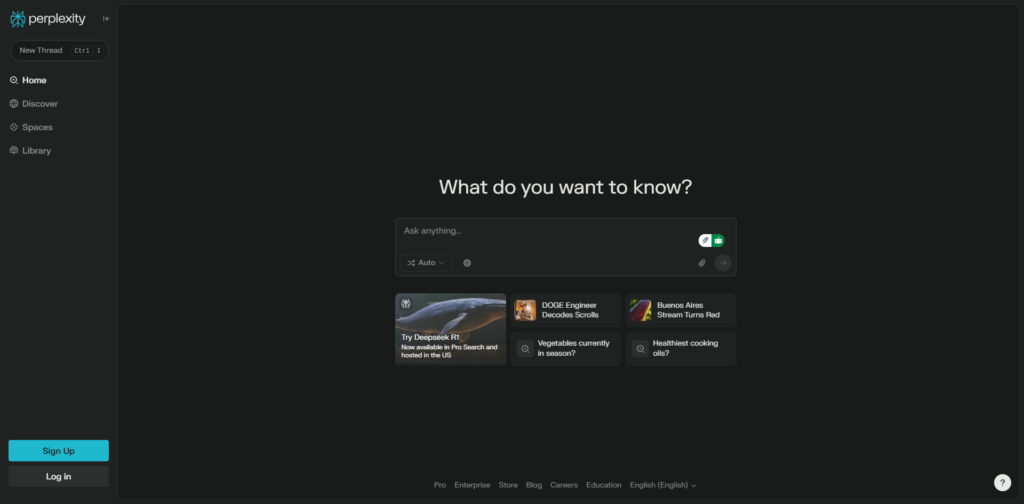
1. Perplexity AI: Best for Real-Time Fact-Checking
In 2026, Perplexity AI has surpassed standard chatbots as the primary tool for source-backed drafting. Unlike ChatGPT, every sentence Perplexity generates is tied to a numbered citation. During my testing, I found its ability to distinguish between a blog post and a peer-reviewed paper has improved significantly.
- Best For: Initial literature scoping and verifying specific technical claims.
- The Verdict: It is the most trustworthy tool for gathering facts quickly.
2. Jenni.AI: Best for Overcoming Writer’s Block
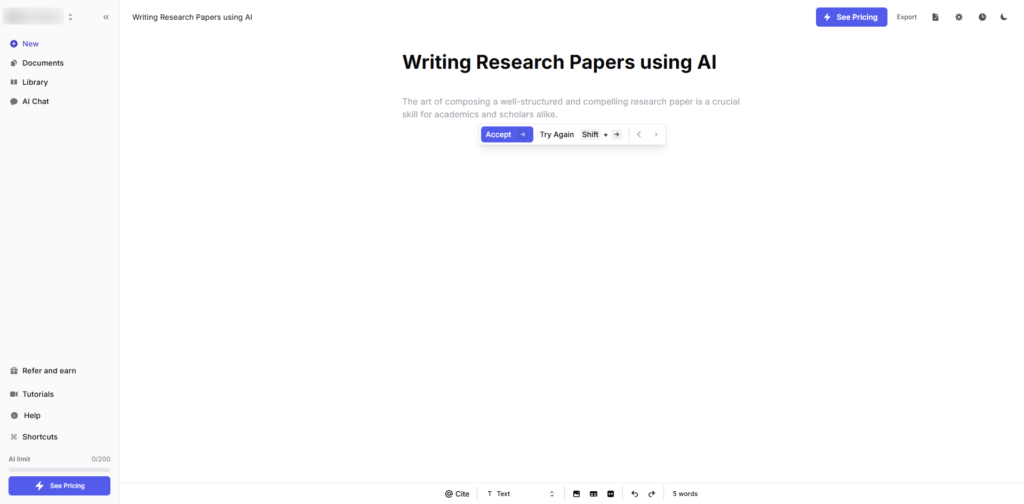
Jenni.AI is a writing assistant specifically tailored for academic content. It provides real-time autocomplete suggestions while you write, which significantly speeds up the drafting process. Many researchers use Jenni.AI alongside other free tools to build a seamless workflow. The tool is designed to maintain a formal academic tone and helps in structuring paragraphs effectively.
- Best For: Speeding up the drafting process and maintaining tone.
- The Verdict: Excellent for keeping your writing momentum high.
3. SciSpace: Best for Paper Summarisation and Interaction
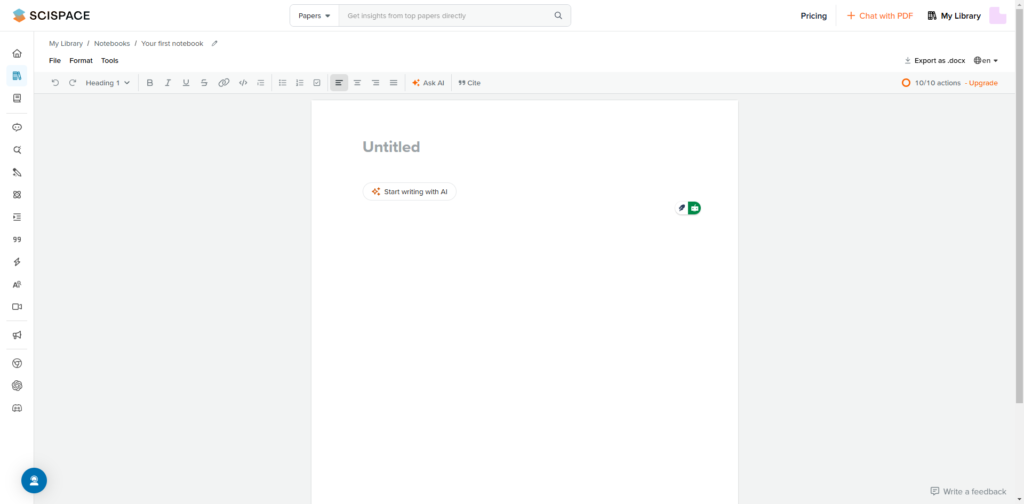
SciSpace (formerly Typeset) is an absolute powerhouse for researchers. Its most valuable feature is the Literature Review tool, which allows you to extract data from multiple PDFs simultaneously. I used it to compare the methodology sections of five different papers, and it produced a structured comparison table in under sixty seconds.
- Best For: Explaining complex formulas and managing journal-specific formatting.
- The Verdict: If you are struggling with a dense methodology section, this tool is indispensable.
4. Writefull: Best for Professional Academic Phrasing
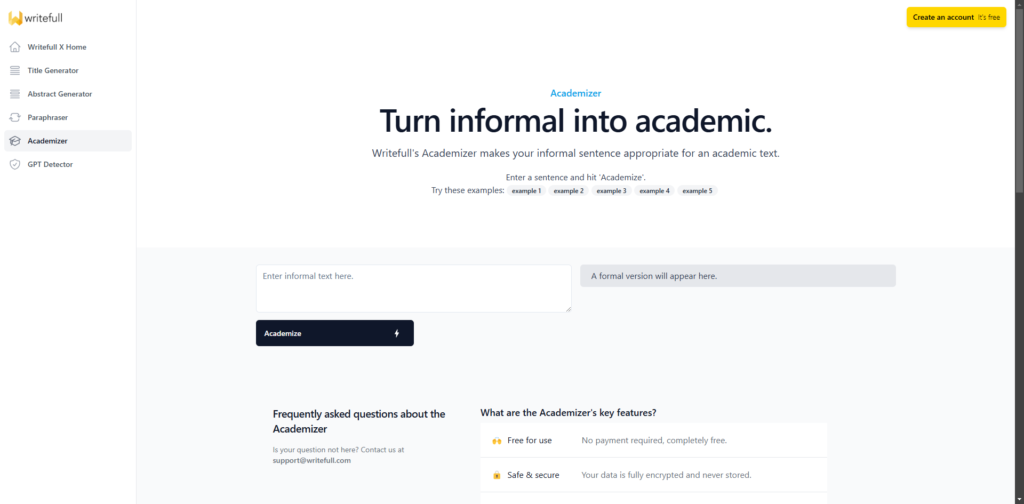
Writefull differs from general grammar checkers because its AI is trained exclusively on millions of published journal articles. When I submitted a poorly phrased Discussion section, Writefull suggested academic collocations—phrases that are common in scientific writing—which made the text sound far more professional.
- Best For: Non-native English speakers who want to achieve journal-ready fluency.
- The Verdict: It is much better than general grammar checkers for research papers.
5. Elicit: Best for Automating Systematic Reviews
Elicit functions like a research assistant that never gets tired. You can ask a research question, and it will find the most relevant papers and extract the population, intervention, and outcomes into a table. This is essential for anyone conducting a systematic review in 2026.
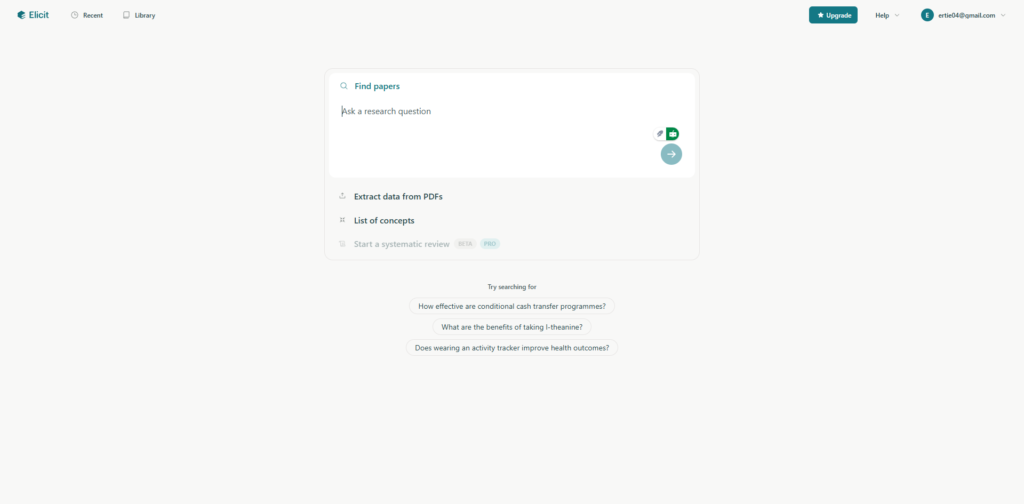
- Best For: Mapping out the existing landscape of a research field.
- The Verdict: It provides the most structured data extraction of any free tool.
6. Consensus: Best for Validating Scientific Arguments
Consensus is a search engine that uses AI to find answers within peer-reviewed research. If you ask a specific scientific question, it will show you a Consensus Meter based on the findings of actual studies. This is a massive time-saver for writing the significance of your study.
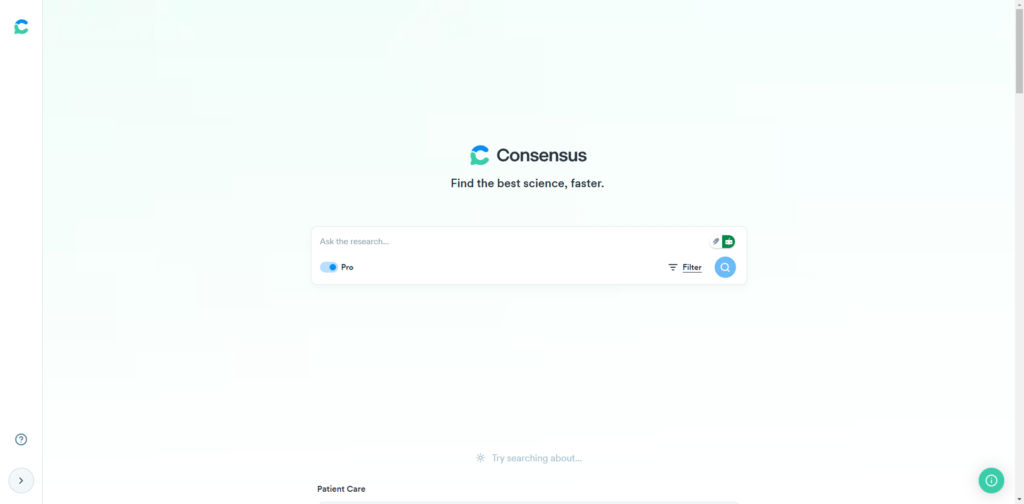
- Best For: Finding evidence to support your hypotheses.
- The Verdict: It is the best way to prove your claims with evidence-based research.
7. QuillBot: Best for Refining Sentence Flow
QuillBot remains the gold standard for paraphrasing. When you have a paragraph that feels clunky, QuillBot can rephrase it while maintaining the original meaning. I particularly like the Academic mode, which ensures the vocabulary remains formal and appropriate for research writing.
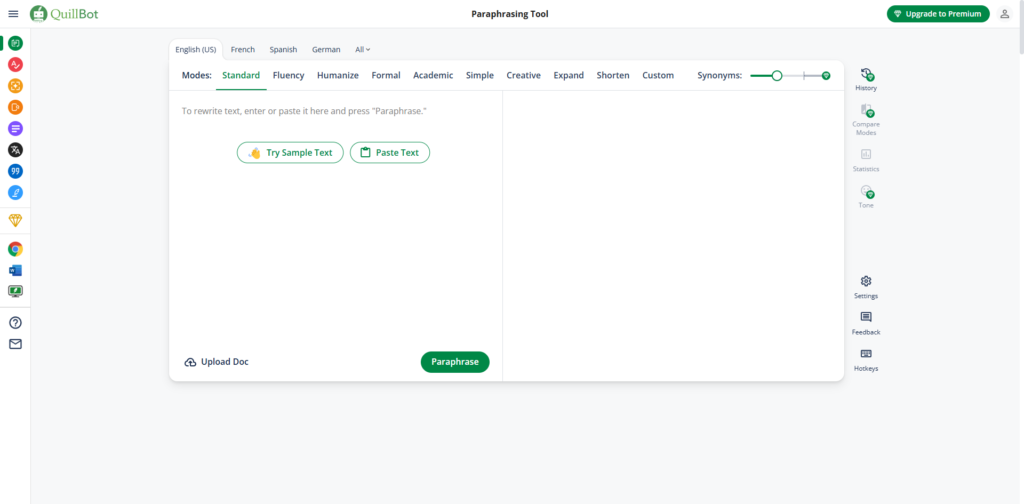
- Best For: Polishing the flow of your writing and avoiding repetitive structures.
- The Verdict: It is the best tool for fine-tuning your prose.
8. Hemingway Editor: Best for Bold and Clear Writing
Academic writing often becomes too dense. Hemingway Editor identifies hard to read sentences and passive voice. I use this tool to ensure my abstract and conclusion are punchy and easy for busy reviewers to understand. It is a vital step in ensuring your research is accessible.

- Best For: Improving readability and removing unnecessary jargon.
- The Verdict: It is the best tool for achieving clarity and conciseness.
9. DeepL Write: Best for Precise Grammar Refinement
DeepL Write goes beyond simple spell-checking. It provides native-level sentence structure suggestions. If you write a sentence that is technically correct but sounds awkward, DeepL Write will suggest a more natural version. It is an essential tool for the final proofreading stage of any research paper.
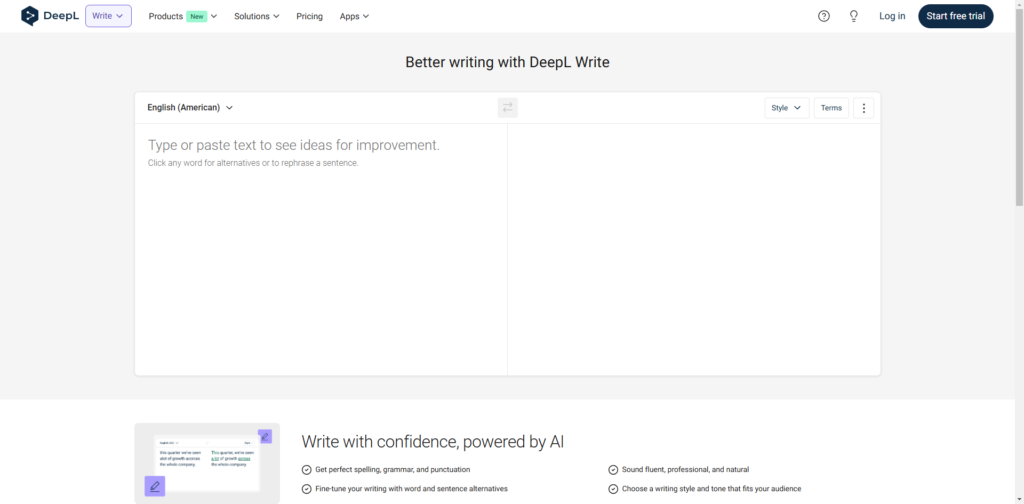
- Best For: Ensuring your grammar is flawless and your tone is professional.
- The Verdict: It is a sophisticated grammar tool for international researchers.
10. ChatGPT: Best for Brainstorming and Structure
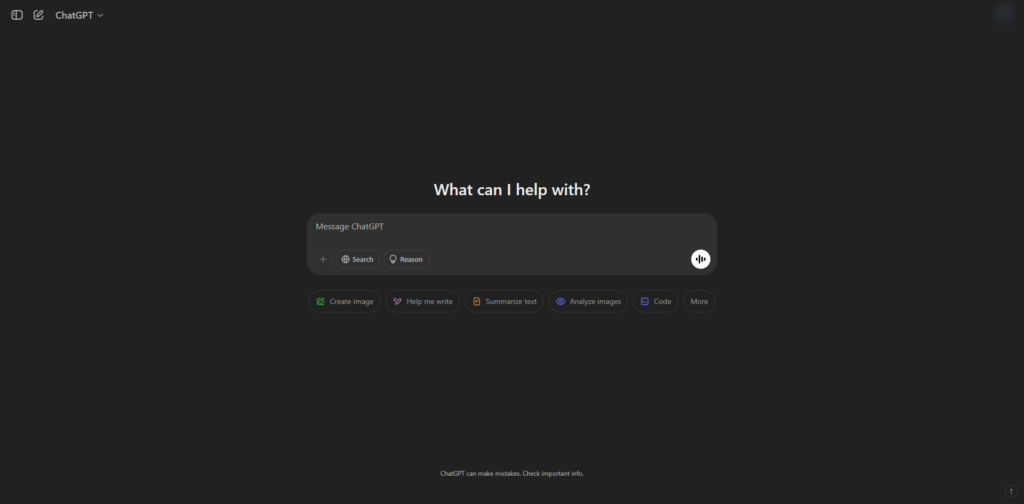
While I do not recommend using ChatGPT to write your final draft, it is excellent for creating a research framework. I used it to generate an outline for a thesis chapter, and it correctly identified the logical flow required for a social sciences study. In 2026, the free tier is very generous with its multimodal capabilities, allowing you to upload images or charts for analysis. It remains one of the most versatile free AI tools for research writing.
- Best For: Outlining your paper and simplifying difficult concepts.
- The Verdict: Use it as a structural architect, not as a primary author.
Which AI Tool Is Best for Your Specific Research Task?
Selecting the correct platform depends on which part of the writing process you are currently navigating. The following table highlights the most effective tools categorised by their primary functional strengths to help you build a more efficient and professional research workflow.
| Research Task | Recommended Tool | Key Strength |
|---|---|---|
| Finding Sources | Perplexity AI | Verified Citations |
| Literature Mapping | Elicit | Data Extraction |
| Language Quality | Writefull | Academic Phrasing |
| Sentence Flow | QuillBot | Professional Paraphrasing |
| Claim Validation | Consensus | Evidence-Based Answers |
Conclusion
The key to using AI in 2026 is synergy. No single tool can write a research paper for you. Instead, you should use Perplexity for facts, SciSpace for reading, and Writefull for the final polish. This approach ensures your research is efficient, accurate, and truly your own work.
Ready to Start Drafting Your Paper?
If you are ready to start drafting, I recommend visiting our guide on Writing the Background of the Study using AI to learn how to combine these tools effectively.
Frequently Asked Questions
Are AI tools for research writing safe for my privacy?
Most academic tools like SciSpace and Writefull have strict privacy policies, but you must be careful with general-purpose tools like ChatGPT. Do not upload sensitive, unpublished data or personal information. Always check the data training settings in your account to ensure your work is not being used to train the AI model.
Can using AI tools lead to a plagiarism flag?
Yes, if you use AI to generate text and then present it as your own without editing. However, if you use AI for brainstorming, grammar correction, or finding citations, it is generally considered a writing aid. Always use a plagiarism checker to verify your final draft.
Which tool has the best free version for 2026?
In 2026, Google Gemini and Perplexity AI offer the most value for free users. They provide access to high-level search and analysis features that many other tools lock behind a paywall.