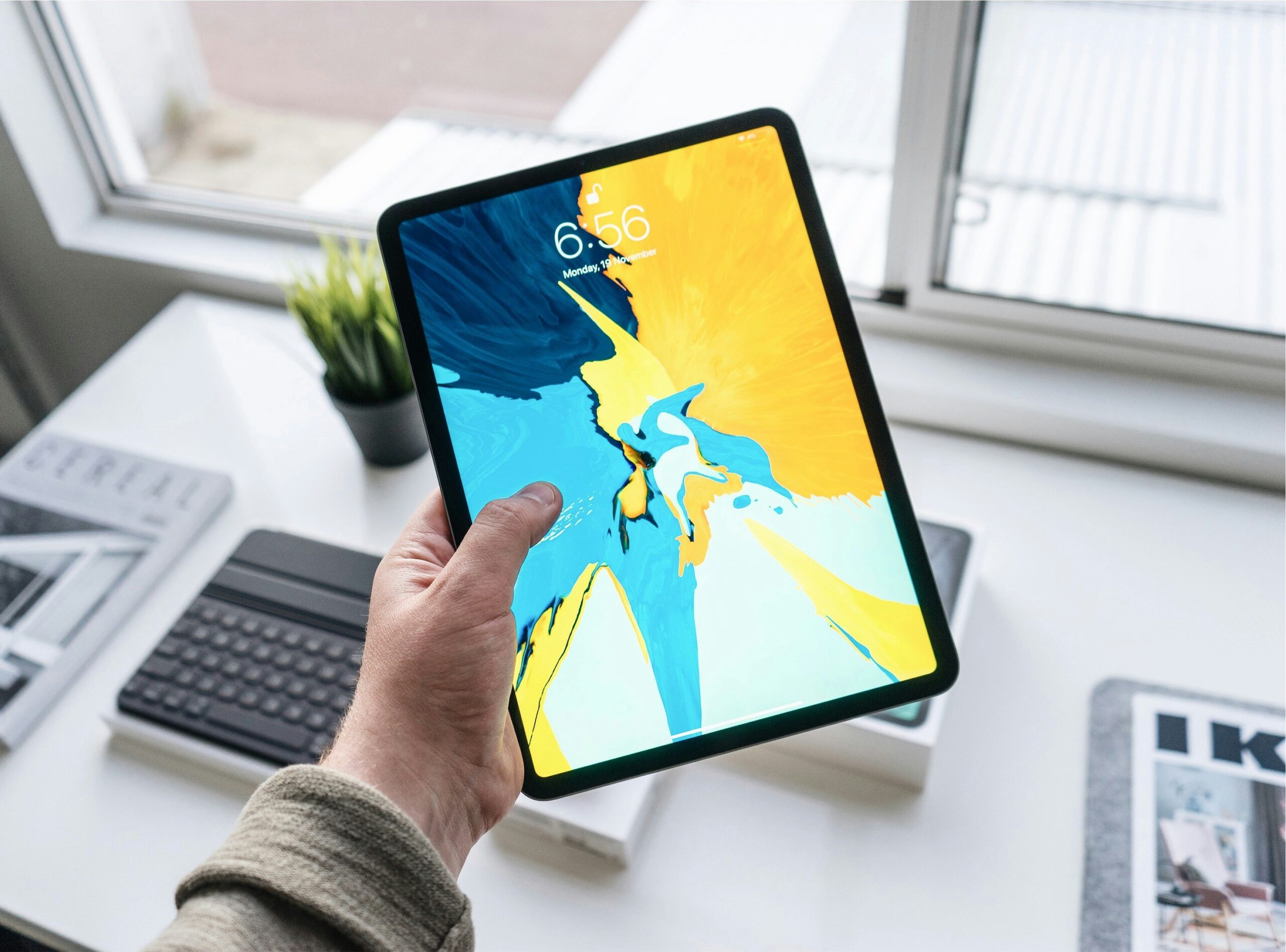


Choosing the right iPad for your PhD research depends on your specific academic workflow. Whether you are annotating hundreds of PDF documents, running data simulations, or taking fieldwork notes, there is a model tailored to your needs. In 2026, the iPad lineup offers a diverse range of power and portability, often serving as a secondary screen or even a complete laptop replacement.
| iPad Model | Primary Benefit | Best Use Case |
|---|---|---|
| iPad Pro 13-inch (M5) | Desktop-grade power | Full laptop replacement for intensive tasks |
| iPad Air 13-inch (M3) | Large screen value | Reading and split-screen multitasking |
| iPad Pro 11-inch (M5) | High-speed portability | Data analysis and coding on the move |
| iPad mini (7th Gen) | Extreme portability | Fieldwork and library research |
| iPad (11th Gen) | Budget productivity | Essential reference reading and notes |
| iPad Pro 13-inch (Nano) | Anti-glare display | Bright labs or outdoor fieldwork |
| iPad Air 11-inch (M3) | All-rounder value | Daily note-taking and drafting |
| iPad Pro 11-inch (M4) | OLED quality value | Premium features at a lower price point |
| iPad (10th Gen) | Entry-level budget | Simple reading and basic research |
| iPad Pro 2TB Edition | Massive local storage | Large datasets and video archives |
1. Apple iPad Pro 13-inch (M5, 2025/2026)
- Processor: Apple M5 chip
- Display: 13-inch Tandem OLED (120 Hz)
- RAM: 8 GB or 16 GB
- Storage: 256 GB to 2 TB
- Connectivity: Thunderbolt 4 / USB 4
Why it is good: This is the premier choice for students who want to replace their laptop entirely. The M5 chip handles complex data visualisations and heavy multitasking without slowing down. The 13-inch OLED display provides the perfect canvas for viewing side-by-side documents, such as your dissertation draft and your primary sources.

2. Apple iPad Air 13-inch (M3, 2025)
- Processor: Apple M3 chip
- Display: 13-inch Liquid Retina IPS
- RAM: 8 GB
- Storage: 128 GB to 1 TB
- Stylus Support: Apple Pencil Pro
Why it is good: This model is the best for researchers who need a large screen but do not require the extreme power of the Pro series. The 13-inch screen allows you to read research papers at their full size, making annotation much more comfortable during long study sessions.
3. Apple iPad Pro 11-inch (M5, 2025/2026)
- Processor: Apple M5 chip
- Display: 11-inch Tandem OLED
- Weight: 444 grams
- Connectivity: Thunderbolt 4
- Refresh Rate: 120 Hz ProMotion
Why it is good: This is the best high-performance option for researchers who are constantly on the move. It is powerful enough for advanced coding and data analysis while remaining light enough to carry in one hand while you are working in a library or a lab.
4. Apple iPad mini (7th Gen, A17 Pro)
- Processor: Apple A17 Pro chip
- Display: 8.3-inch Liquid Retina
- Storage: 128 GB to 512 GB
- Weight: 293 grams
- Connectivity: USB-C (10 Gbps)
Why it is good: The iPad mini is the superior choice for fieldwork and mobile reading. Its small size allows it to fit into a pocket, making it ideal for taking notes during site visits or reading literature reviews during your daily commute.
5. Apple iPad (11th Gen, 2025 Release)
- Processor: Apple A16 Bionic
- Display: 11-inch Liquid Retina
- RAM: 6 GB
- Camera: Landscape-oriented front camera
- Connectivity: USB-C and Wi-Fi 6E
Why it is good: For students on a budget, the 11th-generation iPad provides all the essential features for research. The A16 chip handles PDF annotation and web research easily, and the landscape camera is much better for attending remote seminars and supervision meetings.
6. Apple iPad Pro 13-inch (Nano-texture Glass)
- Processor: Apple M5 chip
- Display: 13-inch OLED with Nano-texture
- RAM: 16 GB
- Storage: 1 TB or 2 TB
- Features: Specialised matte anti-glare finish
Why it is good: This specific configuration is perfect for researchers who work in brightly lit environments or outdoors. The nano-texture glass significantly reduces reflections, allowing you to read dense text for hours without the eye strain caused by screen glare.
7. Apple iPad Air 11-inch (M3, 2025)
- Processor: Apple M3 chip
- Display: 11-inch Liquid Retina
- RAM: 8 GB
- Battery: Up to 10 hours
- Stylus Support: Apple Pencil Pro
Why it is good: This is the most practical all-rounder for a PhD student. It offers the speed of the M3 chip and compatibility with the latest accessories for a lower price than the Pro models. It is a reliable tool for daily note-taking and managing your research library.
8. Apple iPad Pro 11-inch (M4, 2024)
- Processor: Apple M4 chip
- Display: 11-inch Tandem OLED
- Thickness: 5.3 mm
- Weight: 444 grams
- Features: Professional-grade OLED contrast
Why it is good: As a previous-generation flagship, the M4 model offers incredible value in 2026. You get a stunning OLED display and high-end features at a discounted price, making it a brilliant high-spec choice for students who want a premium device for less.
9. Apple iPad (10th Gen)
- Processor: Apple A14 Bionic
- Display: 10.9-inch Liquid Retina
- Connectivity: USB-C
- Storage: 64 GB or 256 GB
- Stylus Support: Apple Pencil (USB-C)
Why it is good: This remains the most affordable functional entry into the iPad ecosystem. It is an excellent choice for researchers who only need a secondary device for reading papers and occasional browsing without spending a large portion of their research budget.
10. Apple iPad Pro 13-inch (High-Capacity 2 TB)
- Processor: Apple M5 chip
- Storage: 2 TB SSD
- RAM: 16 GB
- Display: 13-inch Tandem OLED
- Features: Full hardware-accelerated ray tracing
Why it is good: For PhD students working with massive datasets, high-resolution video archives, or thousands of high-fidelity images, the 2 TB model is essential. It ensures that you always have your entire research library stored locally and ready for work, even without an internet connection.
Conclusion
Selecting the best iPad for your PhD depends on your research style and technical needs. If you require a powerful machine for data and writing, the **iPad Pro 13-inch (M5)** is the premier choice. For most doctoral candidates, the **iPad Air 11-inch (M3)** provides the best balance of price and performance. Investing in the right tablet will help you to organise your research and maintain your productivity throughout your academic journey. For more tips on building your workstation, do not miss our guides on the Best Monitors for PhD Students and the Best Computers for PhD Students.