


Industry jobs after PhD can feel mysterious when you’ve spent years inside universities, seminars, and lab meetings. You hear people say “there are loads of options in industry,” but when you actually start looking, it’s not always clear what those options really are or how to get them.
This guide walks you through 11 practical, realistic industry paths after a PhD: what the roles look like, why PhD skills fit them, and how to start exploring them. After the list, you’ll also find extra sections on translating your skills, building experience, networking, and shifting your mindset away from “academia or failure”.
Industry Jobs After PhD: Quick Read
1. Research scientist or R&D specialist
This is one of the most direct industry jobs after PhD, because you still design experiments, test ideas, and work on research problems, but now inside a company’s research and development (R&D) team. Your work supports product pipelines, new technologies, or long-term innovation instead of journal articles alone.
Where you might work
- Pharma and biotech companies
- Tech companies (AI, hardware, software, data science teams)
- Engineering firms and manufacturing companies
- Energy, materials, automotive, aerospace
Why it suits PhDs
- You already know how to design experiments and analyse results
- You’re used to uncertainty and long-term projects
- You can communicate technical findings to both experts and non-experts
2. Data scientist or machine learning engineer
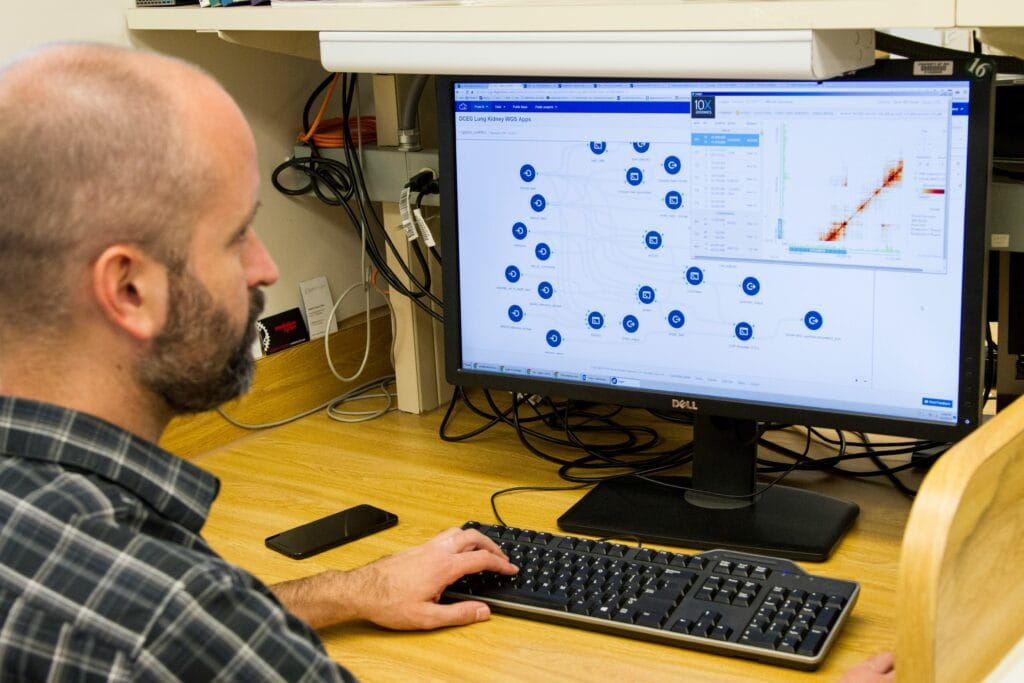
Among the most popular industry jobs after PhD, data scientist and machine learning engineer roles let you turn your quantitative training into models, predictions, and insights that support real-world decisions. You use statistics, coding, and analysis to solve business or product problems using data.
Where you might work
- Tech and software companies
- Finance and fintech
- Healthcare and digital health
- Retail and marketing
- Government and policy
Skills to highlight
- Coding (Python, R, SQL)
- Statistical modelling and experimental design
- Ability to explain complex results in simple language
If your PhD involved any serious data analysis, you already have a strong foundation for this path.
3. Medical science liaison (MSL)
For life science graduates exploring industry jobs after PhD, the medical science liaison role is a highly visible option. You act as a scientific bridge between pharmaceutical or biotech companies and healthcare professionals, explaining the science behind drugs or devices and supporting clinical work with your expertise.

Why this is a strong industry job after PhD (especially in life sciences)
- You use your scientific background daily
- You spend less time at the bench and more time talking to people
- You travel, present, and build relationships rather than writing papers all day
This role suits people who enjoy science but prefer communication and networking to constant lab work.
4. Product manager
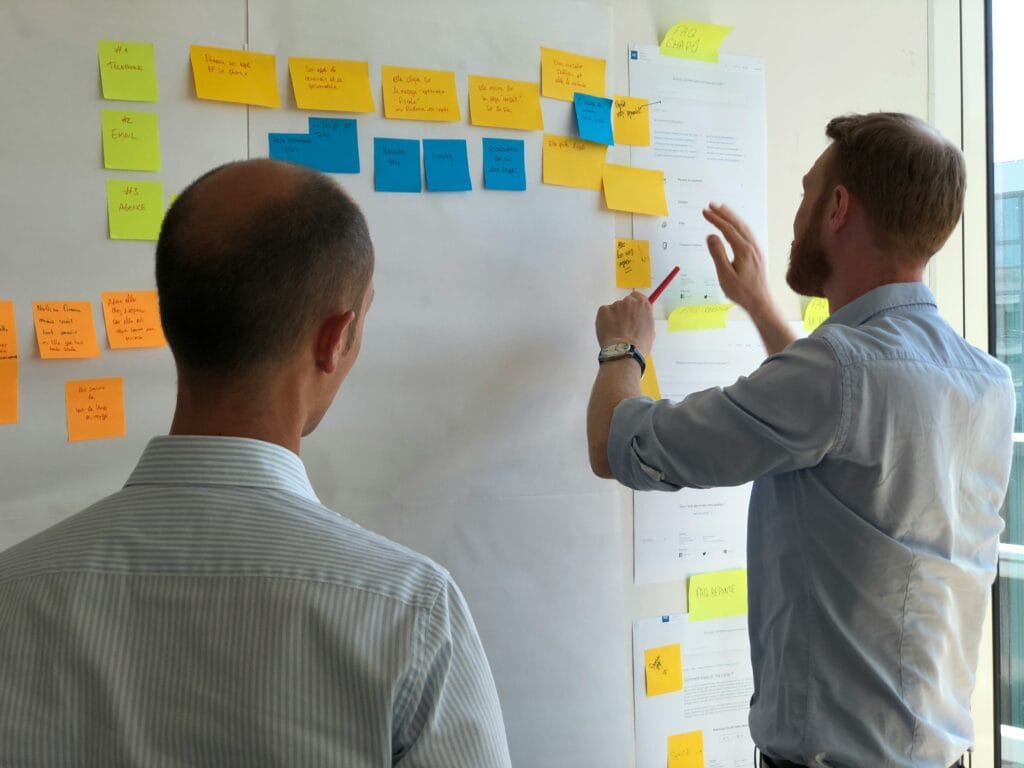
For people who like strategy as well as science, product management is one of the most interesting industry jobs after PhD. You define what should be built, why it matters, and how to prioritise features, working with engineers, designers, and stakeholders to turn user needs into real products.
Where you might work
- Tech and software companies
- Scientific instrumentation and lab equipment companies
- EdTech, health tech, or research tools startups
Why PhDs can succeed here
- You’re used to defining research questions and testing hypotheses
- You manage complex projects with many moving parts
- You can combine technical understanding with user needs
Product management is a great option if you like impact, big-picture thinking, and cross-functional teamwork.
5. Consultant (management, strategy, or technical)
Consulting is one of the most flexible industry jobs after PhD, because you use your analytical brain on a wide variety of problems and organisations. You might work on strategy, operations, policy, or technical challenges, helping clients understand their situation and choose a path forward.
Types of consulting roles
- Management or strategy consulting
- Technical or scientific consulting
- Policy or economic consulting
- Sector-specific consulting (healthcare, energy, finance, etc.)
Why PhDs fit consulting
- You’re used to learning new topics quickly
- You can frame problems clearly and logically
- You’re comfortable presenting and defending your ideas
Consulting is ideal if you enjoy variety, fast-paced work, and steep learning curves.
6. UX researcher or user researcher
If you enjoy understanding people and how they interact with technology, UX research is one of the most human-focused industry jobs after PhD. You design and run studies, interview users, and analyse behaviour to help teams build products that are easier and more enjoyable to use.

Good backgrounds for this path
- Psychology, cognitive science, HCI
- Social sciences with qualitative methods
- Anyone who ran user studies, interviews, or surveys during their PhD
Why it suits some PhDs
- You use research design and analysis in a very applied way
- You get to see your findings shape real products
- You often work in cross-functional teams with designers and engineers
If you loved understanding human behaviour in your PhD, this can be a very satisfying direction.
7. Science writer, editor, or communicator
For people who love writing, science communication is one of the most natural industry jobs after PhD. You turn complex research into clear, engaging content for audiences ranging from the general public to highly technical specialists.
Examples of roles
- Science journalist
- Medical or technical writer
- Content writer for tech or science companies
- Editor for journals, publishers, or science communication outlets
Why it’s a natural industry job after PhD
- You have experience writing, editing, and explaining difficult concepts
- You can critically read research and identify what actually matters
- You might enjoy writing more than data collection or experiments
If your favourite part of your PhD was crafting the paper rather than running the study, this path makes a lot of sense.
8. Policy analyst or research officer
For socially minded researchers, policy roles are some of the most impactful industry jobs after PhD. You use evidence and analysis to inform decisions in government, NGOs, think tanks, or international organisations, influencing laws, programmes, and public debate.
Who this suits
- Social science PhDs
- STEM PhDs with an interest in public policy
- Anyone who likes applied research with social impact
This kind of role can be very rewarding if you want your work to have visible, real-world consequences.
9. IP specialist or patent examiner
If you enjoy detail and rigorous thinking, intellectual property work is one of the most structured industry jobs after PhD. As a patent examiner or IP specialist, you assess inventions, evaluate novelty, and help companies protect their technology and ideas.
Where you might work
- Patent offices
- Law firms (as a technical specialist)
- IP departments in tech or pharma companies
Why PhDs are valued
- You deeply understand technical details
- You can evaluate novelty and significance
- You can communicate complex ideas clearly in writing
This path combines technical depth with legal and business perspectives.
10. Technical sales or scientific sales
For extroverted researchers, technical sales can be one of the most enjoyable industry jobs after PhD. You talk to customers about their problems, explain how specific tools or products can help, and act as a trusted technical advisor rather than a pushy salesperson.
Why this path works for some PhDs
- You speak the same technical language as your customers
- You understand what labs or companies actually need
- You like interacting with people and don’t want to be stuck at a desk
If you enjoy conversation, travel, and solving problems in real time, this is worth exploring.
11. Entrepreneur or startup founder
Starting your own company is one of the boldest industry jobs after PhD, but it can also be the most empowering. You turn your expertise, technology, or insight into a product or service and build a business around it, choosing your own direction and pace.
Why it can be exciting (and scary)
- Huge freedom and creativity
- Direct control over what you work on
- Potential for high impact (and high risk)
Many people explore entrepreneurship later, but you can start small with side projects, consulting, or collaborations even during or right after your PhD.
How to translate your PhD into industry language
A big part of landing industry jobs after PhD is learning to talk about your experience in a way employers understand. Instead of focusing on the exact topic of your thesis, focus on transferable skills and outcomes.
Try reframing like this:
- “Designed and ran experiments” → Led complex projects from idea to completion
- “Analysed large datasets” → Built robust analyses and derived actionable insights
- “Presented at conferences” → Communicated technical ideas to different audiences and handled challenging questions
- “Supervised undergraduates” → Managed and trained junior team members and gave structured feedback
Industry hiring managers care about how you solve problems, work in teams, manage time, and deliver results.
Building experience before you finish
If you’re still doing your doctorate and thinking about industry jobs after PhD, you can start preparing now with low-pressure steps:
- Take on side projects that involve coding, data, design, or communication
- Join interdisciplinary collaborations, especially with external partners
- Do an internship if your programme allows it
- Volunteer for outreach, science communication, or student committees
- Talk to alumni who have already moved into industry roles
Each of these gives you concrete examples to put on your CV and to talk about in interviews.
CV and LinkedIn tips for industry roles
Your academic CV and your industry CV are not the same thing. For industry jobs after PhD, you want something shorter, clearer, and focused on value.
Basic tweaks:
- Keep it to 2–3 pages, not a full academic dossier
- Add a short summary at the top explaining who you are and what roles you’re targeting
- Group publications and talks in one section so they don’t dominate
- Use bullet points that describe impact and outcomes in plain language
- List tools and skills clearly (software, programming languages, methods)
On LinkedIn:
- Use a headline like “PhD in X | Aspiring data scientist | Experienced in Y and Z” rather than just “PhD student”
- Fill out the “About” section with the kind of roles you’re looking for and your key skills
- Add projects, not just positions, to show what you can actually do
Networking without feeling fake
A lot of industry jobs after PhD are found through networking, but networking doesn’t have to mean awkward small talk at huge conferences. Think of it as building small, genuine connections over time.
Simple ways to network:
- Message alumni on LinkedIn and ask for a 15–20 minute chat about their role
- Join online communities related to your target field
- Attend smaller meetups, webinars, or workshops
- Offer to give a talk or share your experience in relevant groups
Focus on asking good questions:
- “What does a typical day look like in your job?”
- “How did you move from your PhD into this role?”
- “What skills do you actually use the most?”
You’re gathering information, not pitching yourself nonstop.
Mindset: leaving academia is not failure
Many people looking at industry jobs after PhD quietly feel like they’re “giving up” on the academic dream. It helps to reality-check a few things:
- Most PhD holders do not end up in permanent academic posts
- Your PhD is still valuable, wherever you work afterwards
- Moving into industry is a positive, proactive choice, not a consolation prize
Your doctorate is training in high-level problem-solving and independent thinking, not a contract to stay in universities forever. You’re allowed to choose a path that fits your values, lifestyle, and goals.
Exploring industry options in low-pressure ways
If you’re not ready to commit to one path, you can treat this like any other research project:
- Pick three roles from the list of 11 that sound interesting.
- Read a few job ads for each and note common skills or requirements.
- Talk to at least one person already doing each role.
- Try a small course, project, or tutorial related to the one that appeals most.
After a few weeks, you’ll have a much clearer sense of which industry jobs after PhD actually fit you and which ones can go on the “nice idea, not for me” pile.
Salary expectations for industry jobs after PhD
Money is not the only reason to choose industry jobs after PhD, but it is a big part of the decision. In general, salaries in industry are higher than PhD stipends and often higher than early academic roles like postdocs or teaching fellowships. Pay varies a lot by country, sector, and role, but there are some common patterns.
You will usually see the strongest starting salaries in roles like:
- Data scientist or machine learning engineer
- Quantitative roles in finance or tech
- Certain R&D roles in pharma or biotech
- Consulting in large, well known firms
When you look at salary ranges, remember:
- Entry level roles may still ask for 1–3 years of experience. Your PhD often counts.
- Location matters. Big cities and tech hubs usually pay more, but living costs are higher too.
- Benefits can be important as well: pension, health insurance, remote options, bonuses, stock.
If you are not sure what to ask for, search salary ranges on job sites, talk to alumni, and use that information as a baseline. A PhD usually places you at the upper end of “junior” or the lower end of “mid-level” brackets.
Work life balance in industry vs academia
One common reason people look for industry jobs after PhD is work life balance. Academia often blurs the line between work and everything else, especially when you feel guilty for not working on your thesis at all times. Industry is not automatically relaxed, but the structure is often clearer.
In many companies:
- Working hours are more defined, and you are not expected to work every weekend
- You have actual holidays where no one emails you about revisions
- Projects have deadlines, but they also have end points and handovers
On the other hand:
- Some sectors, like consulting and certain tech roles, can be intense
- There may be crunch periods before launches or big deliveries
- You might feel pressure from business priorities rather than journal deadlines
It helps to ask directly about typical working hours, overtime, and flexibility in interviews. Work culture can vary hugely between companies, even in the same industry.
People often assume industry jobs after PhD are only for STEM graduates, but there are plenty of paths for humanities and social science backgrounds too. You may not see them labelled as “PhD roles,” but your skills are relevant.
For STEM PhDs, common routes include:
- Research scientist or R&D roles
- Data science and machine learning
- Medical science liaison
- Technical sales, IP, and product management
For humanities and social science PhDs, strong options include:
- Policy analyst and research officer
- UX or user research
- Consulting, especially in public sector, education, or social impact
- Science and research communication, editing, and writing
- Roles in NGOs, think tanks, cultural institutions, and international organisations
The key is to focus on what you actually did during your PhD: analysing information, building arguments, writing, teaching, running interviews or surveys, managing projects. Those skills map into a lot of industry roles, even if they do not mention a PhD in the job ad.
Choosing between a postdoc and industry
Many final year students feel torn between doing a postdoc and applying for industry jobs after PhD. There is no universal right answer, but a few questions can clarify your decision.
Ask yourself:
- Do I genuinely want a long term academic career, or am I just following the default path?
- Do I enjoy most parts of my current work, or only some parts (for example, analysis but not teaching)?
- Would I be happy moving countries every few years for short contracts?
- Is there a specific reason to do a postdoc, such as a dream lab, a rare skill, or a clear step towards a permanent role?
A postdoc can be a good choice if you are still passionate about academic research and see a realistic path forward. But if you already know you want stability, higher pay, or different kinds of projects, it can make sense to start exploring industry jobs after PhD right away instead of postponing the transition.
Remote and hybrid options for industry jobs after PhD
Remote work has expanded a lot in recent years, and this affects industry jobs after PhD too. Not every role can be remote, especially lab based work, but many jobs that rely on a laptop and meetings are now hybrid or fully remote.
Common roles with remote potential:
- Data scientist or ML engineer
- Science writer, editor, and content roles
- Some consulting and policy work
- Certain product management and UX research roles
When you apply:
- Check if the job description mentions remote, hybrid, or location flexible options
- Ask how often people are expected to be in the office
- Consider time zones if you want to work for a company in another country
Remote friendly roles can give you more choice of employer without having to move, which is especially helpful if you have family, visa, or financial constraints.
Conclusion
Industry jobs after PhD come in many flavours: research, data, product, consulting, communication, policy, IP, startups, and more. You don’t need to know your final destination today. What matters is recognising that your skills are valuable far beyond your thesis topic and that you have more options than “professor or failure”.
Start by noticing what you enjoyed most in your PhD – analysing data, writing, presenting, collaborating, designing studies – and use that as your compass. Then explore a few matching roles, update your CV, and talk to people actually working in those jobs. Step by step, you’ll move from vague worry to a concrete, exciting plan for life after the doctorate.
If you want to see how all these industry paths are shaped by modern tools and digital workflows, make sure to also read How Has Technology Changed Research.