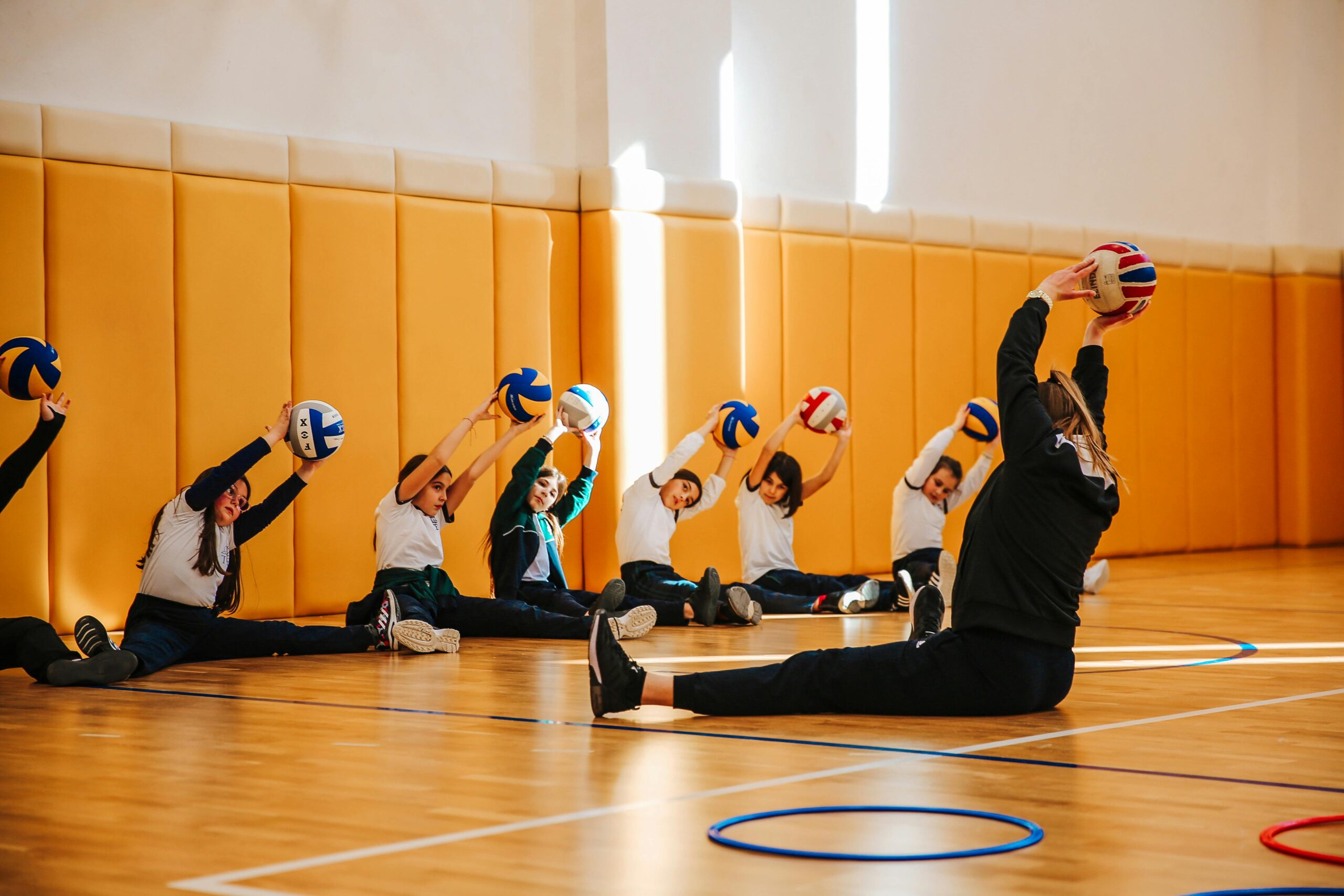


The discipline of movement and sport is undergoing a rapid evolution, making the selection of current research topics in physical education a vital task for students and academic professionals. In 2026, the focus has shifted toward the intelligent integration of wearable technology, the promotion of radical inclusivity, and the use of physical activity as a primary intervention for mental well-being. This guide offers a comprehensive range of ideas to help you examine how physical education can foster lifelong health and resilience in an increasingly digital world.
Technology, AI, and Innovation in Movement
- The Role of Generative AI in Creating Personalised Exercise Prescriptions for Students
Investigate how artificial intelligence can analyse individual fitness data to provide tailored workout plans that cater to the unique physiological needs of each pupil. - Wearable Technology Accuracy: Comparing Consumer Smartwatches in School Environments
Analysing the reliability of different heart rate and step-tracking devices during high-intensity school sports compared to medical-grade sensors. - Exergaming and Cardiovascular Health: Can Virtual Reality Replace Traditional Cardio?
Researching whether immersive VR fitness games provide the same metabolic benefits as traditional track-based running for teenagers. - The Impact of Real-Time Biofeedback on Student Motivation and Effort Levels
Evaluating how viewing heart rate data on a central classroom dashboard influences the intensity with which students participate in lessons. - AI-Powered Video Analysis for Technical Skill Mastery in Secondary Schools
Investigating the effectiveness of automated motion-capture software in providing instant corrective feedback on a student’s athletic form. - Internet of Things (IoT) Integration in Modern School Gymnasium Design
Evaluating how “smart” equipment and connected flooring can be used to monitor group-level activity trends and improve facility management. - The Ethics of Data Privacy in Student Health Surveillance Programmes
Analysing the legal and moral challenges of collecting and storing detailed biometric data from minors within the educational system. - Augmented Reality (AR) Scavenger Hunts as a Tool for Outdoor Education
Researching the engagement levels of students using AR-enabled mobile devices to complete physical challenges in natural environments. - Predictive Modelling for Injury Prevention in Competitive School Sports
Investigating how machine learning can identify patterns of overtraining and fatigue in student-athletes to reduce the risk of common injuries. - The Use of Digital Portfolios for Competency-Based Physical Education Assessment
Evaluating the transition from raw athletic metrics to holistic, video-based evidence of skill development and personal reflection. - Virtual Cycling and the Democratisation of High-Cost Sports in Schools
Researching whether indoor virtual cycling platforms allow students from low-income backgrounds to participate in endurance training without expensive equipment. - The Impact of Digital “Nudges” on Extracurricular Physical Activity Levels
Analysing how automated app notifications and social challenges influence the amount of exercise students perform outside of scheduled school hours.
Inclusion, Diversity, and Adaptive Physical Education
- Radical Inclusivity: Strategies for Moving Beyond Modified Traditional Sports
Investigate the effectiveness of non-traditional cooperative games in ensuring that students of all abilities feel they are equal participants in the lesson. - The Impact of Sensory-Friendly PE Environments on the Engagement of Autistic Students
Analysing how modifications to acoustics and visual stimuli in the sports hall affect the participation rates of neurodivergent pupils. - Barriers to Participation in Mixed-Gender Physical Education for Adolescent Girls
Researching the psychological and social factors that lead to disengagement among girls in co-educational sports settings. - Adaptive Swimming: Evaluating the Benefits of Hydrotherapy for Students with Physical Disabilities
Evaluating the physiological and emotional impact of regular water-based exercise on children with mobility-limiting conditions. - The Role of Cultural Sensitivity in Designing Inclusive PE Curricula
Investigating how including traditional sports from diverse global cultures affects the sense of belonging for students from minority backgrounds. - Social Camouflaging in PE: The Psychological Cost for Neurodivergent Female Students
Analysing the mental health impact of “masking” neurodivergent traits to fit into the social dynamics of the school locker room and sports field. - The Effectiveness of Peer-Led Mentorship in Inclusive Sports Settings
Researching whether structured support from non-disabled peers improves the social integration and skill acquisition of students with SEN. - Para-Sport Integration: Introducing Paralympic Disciplines to General PE Classes
Evaluating the impact of activities like Boccia and Sitting Volleyball on the disability awareness and empathy of the wider student body. - Socioeconomic Status and Access to High-Quality Physical Education Facilities
Analysing the health disparities caused by the unequal distribution of sports funding and equipment across different school districts. - The Impact of Teacher Gender on Student Comfort in Sensitive Physical Activities
Investigating how the gender of the educator influences the willingness of students to participate in topics like dance or health-related fitness. - Body Image and Uniform Policy: The Case for More Flexible PE Attire
Researching whether allowing students to choose their own modest or comfortable clothing leads to higher participation rates in secondary schools. - Inclusion of Transgender and Non-Binary Students in School Sports: Policy and Practice
Evaluating the current legal frameworks and the practical steps schools can take to ensure a safe and respectful environment for gender-diverse youth. - The Role of Adaptive Technology in Facilitating Independence for Visually Impaired Athletes
Investigating the use of haptic feedback and audio-guided navigation in allowing blind students to participate in track and field events.
Health, Nutrition, and Metabolic Management
- The Transition from “Weight Loss” to “Weight Management” in School Health Education
Investigate the shift toward focusing on muscle retention and metabolic health rather than raw calorie burning in the PE curriculum. - The Impact of Ultra-Processed Food Consumption on Adolescent Athletic Performance
Analysing the correlation between high-UPF diets and self-reported fatigue and recovery times among student-athletes. - Hydration Literacy: Evaluating Student Knowledge of Fluid Requirements during Exercise
Researching the gap between the scientific recommendations for hydration and the actual drinking habits of pupils during high-intensity lessons. - The Role of the PE Teacher in Delivering Modern Nutritional Education
Evaluating the effectiveness of integrating evidence-based dietary advice directly into the practical sports environment. - Physical Activity as a Buffer against the Metabolic Effects of Sleep Deprivation
Investigating whether regular exercise can mitigate some of the negative health impacts of chronic lack of sleep in university students. - The Link Between Daily Stretching Routines and Injury Prevention in Teen Athletes
Analysing the long-term effectiveness of mandatory warm-up and flexibility protocols in reducing the prevalence of muscle strains. - Exercise for Diabetes Management: Tailored PE Interventions for Type 1 Students
Researching the safety and effectiveness of specific glucose-monitoring protocols during school sports for children with insulin-dependent diabetes. - The Rise of “Bio-Hacking” Trends among Male Teenagers: Risks and Realities
Evaluating the psychological and physical impact of the early adoption of supplements and extreme training regimens in school-age boys. - Active Commuting to School: The Impact of Walking or Cycling on Classroom Readiness
Investigating the link between the mode of travel to school and the level of focus and cognitive function in the first period. - The Effectiveness of Active Breaks in Reducing Sedentary Behaviour during the School Day
Analysing the impact of five-minute “brain breaks” involving movement on the academic performance of primary school students. - Nutrition for Bone Health: The Impact of Weight-Bearing Exercise on Peak Bone Mass
Researching the critical role of physical education in preventing future osteoporosis by encouraging high-impact activities during adolescence. - The Psychology of Sports Supplement Usage in Under-18 Competitive Athletics
Investigating the social drivers and perceived benefits that lead young athletes to use protein powders and pre-workout stimulants.
Pedagogical Innovations and Teaching Methods
- The “Playground to Purpose” Framework: Transitioning from Unstructured Play to Lifelong Habits
Investigate the methods used by educators to help students bridge the gap between early childhood movement and intentional adult fitness. - Cooperative vs. Competitive Models: Impact on Long-Term Sports Adherence
Analysing whether a focus on teamwork and communication in PE lead to a higher likelihood of students remaining active in adulthood. - The Effectiveness of the “Flipped Classroom” in Physical Education Theory
Evaluating whether moving the theoretical aspects of GCSE or A-Level PE to online video lessons improves the quality of practical time. - Models-Based Practice: A Comparative Study of Sport Education vs. Direct Instruction
Researching which pedagogical model leads to higher levels of student agency and technical skill acquisition. - The Role of Student Voice in Shaping the PE Curriculum
Investigating how involving pupils in the choice of activities affects their intrinsic motivation and satisfaction with the subject. - Teaching Games for Understanding (TGfU): Impact on Tactical Awareness in Invasion Sports
Evaluating whether focusing on game-based problem solving is more effective than traditional isolated skill drills. - The Impact of Large Group Sizes on the Quality of Individual Feedback in PE
Analysing the challenges faced by teachers in crowded urban schools and the strategies used to maintain high instructional standards. - Blended Learning in PE: Integrating Online Training Modules with Practical Sessions
Researching the success of hybrid models that allow students to track their progress and learn techniques through digital platforms. - The Use of Reflective Journals in Enhancing Student Metacognition in Sport
Evaluating how writing about their physical experiences helps students understand their own learning processes and movement identities. - Outdoor and Adventure Education (OAE): Building Resilience through Managed Risk
Investigating the psychological benefits of activities like rock climbing and orienteering in developing problem-solving and grit. - Teacher Accountability and the “Black Box” of PE Grading
Analysing the subjective nature of assessment in physical education and the potential for more objective, data-driven rubrics. - The Effectiveness of Cross-Curricular Integration: Linking PE with Science and Maths
Researching whether teaching the physics of motion or the biology of the heart during PE lessons improves academic retention across subjects. - Managing Disruptive Behaviour through Activity Structure rather than Punishment
Investigating how the design of a lesson can naturally reduce friction and disengagement without the need for traditional disciplinary measures.
Psychological Well-being and Mental Health in Sport
- The Role of Team Sports in Reducing Symptoms of Social Anxiety in Teenagers
Investigate whether the collective accountability of team-based movement provides a safer environment for social exposure than individual athletics. - Exercise as a Primary Intervention for Managing Clinical Depression in University Students
Analysing the efficacy of prescribed physical activity programmes compared to traditional talk therapy for moderate depressive disorders. - The Psychology of “Choking” under Pressure: Strategies for Student-Athletes
Researching the cognitive triggers of performance anxiety during high-stakes school competitions and the most effective mental rehearsal techniques. - Mindfulness and Athletic Performance: Enhancing Focus through Meditation
Evaluating how regular mindfulness practice influences the ability of a student to maintain concentration during complex technical manoeuvres. - The Impact of “Body Neutrality” Coaching on Adolescent Self-Esteem
Investigating the transition from performance-based body image to a focus on what the body can do rather than how it appears. - Physical Activity and Academic Stress: The Buffering Effect of Movement
Analysing whether students who engage in regular vigorous exercise report lower levels of cortisol during intensive exam periods. - The Relationship between Physical Literacy and Long-Term Psychological Resilience
Researching how a confident foundation in basic movement patterns during childhood predicts mental health stability in early adulthood. - Overtraining Syndrome in School Sports: Psychological Indicators of Burnout
Evaluating the emotional and cognitive signs of exhaustion in students who participate in multiple high-performance school teams. - The Impact of Visual Social Media on the “Fitness Identity” of Young Men
Investigating how exposure to hyper-muscular digital content influences the exercise motivations and supplement-taking behaviour of adolescent boys. - Exercise Addiction: Identifying the Line between Dedication and Pathology in PE
Analysing the psychological profiles of students who demonstrate compulsive exercise behaviours and the role of the teacher in intervention. - The Social Benefits of Outdoor Adventure Education for Isolated Youth
Researching how wilderness-based physical challenges facilitate the development of trust and communication skills in marginalised teenagers. - Cognitive Function and Aerobic Exercise: The Impact on Working Memory
Evaluating whether short bouts of intense aerobic activity immediately before a lesson improve the ability of a student to process new information.
Socio-Cultural Perspectives and Sports Sociology
- The Role of Sport in Facilitating the Social Integration of Refugee Students
Investigate how participating in local school football or rugby teams helps displaced youth build social capital and learn local cultural norms. - Gender Stereotyping in Primary School PE: The Impact of Teacher Expectations
Analysing how the language used by educators during early years movement lessons reinforces traditional “masculine” and “feminine” sports roles. - The Impact of Global Sporting Mega-Events on Local Youth Participation Rates
Researching whether events like the Olympics or World Cup lead to a measurable “inspiration effect” in school-age children. - Socioeconomic Barriers to Elite Youth Sport: The “Pay-to-Play” Crisis
Evaluating how the rising costs of club fees and travel equipment exclude talented students from low-income backgrounds from professional pathways. - The Representation of Disability in National Physical Education Curricula
Analysing the extent to which diverse physicalities are reflected in the instructional materials and assessments provided to schools. - Sports as a Tool for Diplomacy in Divided Communities
Investigating the success of inter-school sports initiatives in reducing sectarian or racial tensions in high-conflict urban areas. - The Ethics of “Naturalisation” in International School Athletics
Researching the implications of schools recruiting foreign talent to win championships and the impact on the local student body. - Mass Media Influence on the Perception of “Minority” Sports in Schools
Evaluating how the television coverage of sports like netball or field hockey influences the prestige and participation levels of these subjects in PE. - The Role of Parents in Shaping the “Movement Identity” of the Child
Analysing the correlation between parental activity levels and the long-term athletic engagement of their offspring. - Urbanisation and the Decline of Spontaneous Active Play
Investigating how the lack of safe, accessible “third spaces” in cities has forced physical education to take a more central role in child health. - The Impact of School Uniform Design on the Physical Activity of Girls
Researching whether restrictive or formal school clothing acts as a significant barrier to active play during break times. - Commercialisation of School Sports: The Impact of Corporate Sponsorship
Analysing the ethical considerations of allowing sports brands to fund school facilities in exchange for direct marketing access to students.
Professional Development and Teacher Training
- The Gap between Sports Science Research and Bedside PE Teaching
Investigate the barriers that prevent physical education teachers from implementing the latest physiological findings in their daily lessons. - The Impact of Teacher Health and Fitness on Student Perceptions of Credibility
Analysing whether the physical appearance and activity levels of an educator influence the engagement and respect of the students. - Trauma-Informed Pedagogy in Physical Education: Best Practices
Researching how PE teachers can create safe environments for students who have experienced physical abuse or traumatic events. - The Role of Reflective Practice in Improving Teacher Performance in PE
Evaluating the effectiveness of video-based self-observation in helping educators identify and correct unconscious biases in their teaching style. - Continuing Professional Development (CPD) and the Mastery of New Technologies
Investigating the effectiveness of training workshops in helping senior PE staff integrate AI and wearable data into their curriculum. - Mental Health First Aid Training for PE Teachers: Identifying At-Risk Youth
Analysing the role of the physical educator as a frontline observer of student mental wellness and the need for formal psychological training. - The Impact of the “Recruitment Crisis” on the Quality of Primary PE
Evaluating the consequences of non-specialist classroom teachers delivering physical education lessons due to staff shortages. - Teacher Burnout in PE: The Impact of Coaching Extracurricular Teams
Researching the correlation between the additional hours spent on school sports teams and the overall job satisfaction of physical educators. - The Role of Mentorship in the Retention of Early-Career PE Teachers
Analysing how structured support from veteran staff reduces the likelihood of new teachers leaving the profession within the first five years. - Inclusive Pedagogy Training: Preparing Teachers for Neurodivergent Classrooms
Evaluating the adequacy of initial teacher training in providing practical strategies for managing ADHD and Autism in the sports hall. - The Ethics of Physical Contact in Modern PE Teaching
Investigating how safeguarding regulations have altered the way teachers provide technical corrections and the impact on student skill acquisition. - Collaborative Teaching: Linking PE with the School Nursing Team
Researching the benefits of a multidisciplinary approach to student health that combines physical activity data with medical records.
Competitive Sport and High Performance in Schools
- The Long-Term Impact of Early Specialisation in a Single Sport
Investigate whether children who focus on one sport before the age of twelve are at a higher risk of injury and psychological burnout. - Talent Identification Models: Evaluating the “Relative Age Effect” (RAE)
Analysing why students born in the first quarter of the academic year are disproportionately represented in elite school sports teams. - The Use of Hypoxic Training in High-School Endurance Programmes
Researching the physiological safety and performance benefits of simulated altitude training for competitive adolescent runners. - Periodisation in School Sports: Balancing Academic Exams with Peak Performance
Evaluating the effectiveness of tailored training cycles that reduce physical intensity during high-stress academic periods. - The Impact of Strength and Conditioning (S&C) on Injury Rates in Rugby
Investigating whether mandatory resistance training for student players reduces the prevalence of contact-related joint injuries. - Nutrition for Recovery: Evaluating the “Window of Opportunity” in Teen Athletes
Analysing the effectiveness of post-match nutritional protocols in facilitating faster muscle recovery in high-performance school teams. - The Role of the “Sporting Scholarship” in Driving Academic Performance
Researching whether the requirement for minimum grades to maintain a sports place serves as a genuine motivator for student-athletes. - Sleep Hygiene and the Performance of Elite Junior Athletes
Investigating the correlation between strict bedtime routines and the reaction times and cognitive focus of competitive students. - The Ethics of Concussion Protocols: Balancing Safety with Competitive Drive
Analysing the effectiveness of “return-to-play” guidelines and the pressure on students to hide symptoms to participate in major matches. - Video Analysis and Self-Efficacy in Individual Sports like Tennis and Golf
Evaluating whether seeing their own performance on screen improves the self-confidence and technical accuracy of the student. - The Impact of Crowd Presence on the Performance of High-School Athletes
Researching the “home field advantage” and the psychological stress caused by parental and peer spectators during school finals. - Doping Awareness and Prevention in School-Age Competitive Powerlifting
Investigating the knowledge of prohibited substances among young athletes and the most effective educational strategies for prevention. - The Role of “Scouting” and Professional Academy Links in School Sports
Analysing the impact of professional club interference on the academic focus and mental health of highly talented students. - Evaluating the Long-Term Careers of Former High-Performance School Athletes
A longitudinal study on whether being an elite athlete in school predicts professional success or leads to post-graduation disengagement from sport. - The Impact of “Bio-Banding” on the Development of Late-Maturing Athletes
Researching the benefits of grouping students by biological maturity rather than chronological age to ensure fair competition and skill growth.
How to Use These Research Topics in Physical Education
Selecting a subject is only the first step in your academic journey. To get the most out of this list, we recommend following these steps to refine your chosen idea:
- Narrow the Scope: Many of the topics listed here are broad. Once you select one, try to focus on a specific age group (such as primary or secondary) or a specific sport to make your research more manageable.
- Conduct a Preliminary Literature Review: Before committing to a topic, check academic databases like SPORTDiscus, Google Scholar, or the British Journal of Sports Medicine to ensure there is enough existing data to support your study.
- Identify Your Methodology: Decide early on whether your research will be qualitative (interviews with coaches, student surveys) or quantitative (analysing heart rate data, injury statistics).
- Check for Ethical Constraints: If your topic involves the collection of biometric data from minors or speaking to vulnerable groups, ensure you can obtain ethical approval from your institution before you begin.
Looking for more research inspiration?
Selecting a compelling subject is vital for your academic success. If you are still searching for the perfect focus, browse our full collection of Research Topic Ideas to discover thousands of suggestions across various disciplines and academic levels.