
Navigating the modern scholarly ecosystem requires moving past traditional manual search pipelines. When searching for the best tools for literature review preparation, selecting platforms that offer real-time tracking, validated citation routing, and deep thematic cross-referencing is essential. Relying on basic search setups often leaves you sorting through thousands of unverified digital assets, whereas utilizing specialized discovery engines ensures that your research foundation remains completely objective.
This guide evaluates high-efficiency academic platforms to help you compile structural material with absolute precision. Understanding how to leverage these platforms allows you to quickly streamline real-time academic sourcing and eliminate unverified references from your draft. By understanding the architectural logic of these discovery systems, you can confidently leverage live citation mapping to secure an unassailable background study for your next project.
Best Tools for Literature Review
Transitioning to automated discovery setups can radically compress your initial scoping timeline if you understand how to navigate specialized repositories. When identifying the best tools for literature review exploration, you must look for frameworks that interface with live databases such as Semantic Scholar. Rather than treating artificial platforms as automated content writers, you must treat them as strategic mapping compasses. This perspective shields your personal bibliography from analytical gaps and ensures that every referenced source holds verified academic weight.
1. Implementing AI-Powered Semantic Search Engines
The main limitation of standard keyword databases is that they cannot interpret the underlying contextual meaning of your query. Utilizing semantic search engines changes this dynamic by analyzing the conceptual relationship between disparate research themes.
- Contextual conceptual mapping: Semantic discovery engines interpret complete problem statements rather than matching isolated vocabulary words, ensuring that you discover highly relevant articles even if the authors used different terminology.
- My Experience: I regularly see preliminary reference lists that missed foundational background documents simply because the investigator relied on exact-match word lookups instead of utilizing semantic indexing models.
- Automated impact evaluation: These specialized search tools automatically track citation velocities and institutional impact scores, helping you isolate the most authoritative papers in your field within minutes.
How to configure a high-yield semantic search pipeline
- Access your chosen semantic discovery portal and bypass the standard keyword field.
- Input a complete, descriptive research thesis statement, ensuring that you define all core variable connections explicitly.
- Apply targeted filtering metadata to restrict the active search pool to peer-reviewed journal items released within your specific timeline.
- Examine the generated citation frequency charts to determine which core studies serve as the structural pillars for that specific field.
2. Utilizing Visual Citation Mapping Networks
Discovering a relevant paper is only the first step in building a robust bibliography; you must also trace how that specific study influenced subsequent scientific debates. Visual mapping platforms make tracking these interconnected digital paths highly intuitive.
- Mapping derivative literature: Graphic citation systems display visual networks where intersecting nodes illustrate exactly how newer studies branched off from a single foundational paper.
- My Experience: Attempting to prevent AI editing flags while compiling manual reference cross-checks used to take hours, but visual web engines compress this workflow into an instantaneous interactive map.
- Isolating disciplinary trends: Analyzing dense clusters within a visual map reveals exactly where the academic consensus sits, making it easy to identify dominant schools of thought.
How to extract a visual citation map for your bibliography
- Locate the primary Digital Object Identifier string or exact title of the most relevant study in your collection.
- Insert that unique digital footprint into a visual network engine to generate an interactive node chart.
- Expand the graphical branches to view the forward citations that built upon that specific methodology over time.
- Filter the network connections by publication year to ensure you maintain your original writing voice while evaluating contemporary frameworks.
3. Leveraging Automated Multi-Turn Extraction Workflows
Advanced discovery setups allow you to move past simple question-and-answer steps by utilizing deep conversational memory threads. This systematic layer makes it possible to extract hidden methodology metrics across dozens of publications simultaneously.
- Incremental matrix compilation: Instead of reviewing every document page manually, you can instruct your search assistant to extract complex parameters into an organized reference framework.
- My Experience: I have monitored several research logs where an investigator spent days building comparative charts that an automated tracking thread could compile cleanly in seconds.
- Isolating variable structures: Directing the discovery engine to cross-examine specific data fields helps you spot where different authors utilised contrasting sample sizes or geographical limitations.
How to extract a multi-source methodology matrix
- Initiate an academic research thread by providing a targeted list of five to ten authoritative publication titles.
- Enter a specific structural command, such as: “Extract the exact sample sizes, data collection tools, and primary geographical constraints from these studies into a unified table.”
- Refine the overview by adding a follow-up directive to isolate and remove any projects that do not provide open-source data availability.
- Export the finished extraction matrix directly into your analytical workspace to serve as the structural framework for your methodology chapter.
4. Deploying Reference Management Integration Modules
The final element of a modern search system is the seamless collection and storage of your discovered digital assets. Utilizing integrated reference management tools ensures that your formatting metrics remain flawless from your initial search to your final submission.
- Automated metadata capture: Modern browser modules instantly capture complete reference metrics, including author lists, publication years, journal names, and clean Digital Object Identifier links.
- My Experience: I regularly evaluate final drafts that receive low marks simply because the student compiled their bibliography manually, introducing accidental spacing and capitalization errors throughout the text.
- Synchronised cloud storage: Keeping your reference library synced across your writing platforms allows you to insert inline citations instantly while you work on your chapters.
How to construct a synchronised digital reference repository
- Install the official browser extension for your preferred reference management system into your active workspace.
- Navigate to your verified search database and complete your targeted semantic query sequence.
- Click the reference manager icon on your browser toolbar to capture the complete publication details of all relevant documents simultaneously.
- Organise the imported assets into a dedicated folder structure within your cloud account to keep your reference framework immaculate.
Final Thoughts on the Best Tools for Literature Review Preparation
I believe that choosing advanced digital software to guide your preliminary academic scoping phase is a great way to elevate your final manuscript, but you must remain critical of how these systems handle your text parameters. When evaluating the best tools for literature review projects, the evidence proves that these platforms must be deployed as navigation aids rather than complete content replacements. By focusing on semantic lookup configurations, tracking visual network chains, and managing your citation assets through cloud repositories, you can keep your background study completely robust. Ultimately, your analytical interpretation is what gives your paper its scholarly value—do not allow automated structures to overshadow your personal evaluation.
Is Perplexity a reliable research tool?
If you want to understand how conversational intelligence can safely assist your scholarly preparation, read our comprehensive review on Perplexity as a research tool to discover how to use live answer engines to find validated papers without compromising your voice.
Frequently Asked Questions
What makes semantic search engines better than traditional keyword databases?
Traditional keyword databases require an exact match between your search words and the text in the paper. Semantic search engines analyze the conceptual meaning behind your complete question, which allows them to find highly relevant scholarly materials even if the authors used completely different vocabulary to describe their experiments.
Yes, visual citation mapping tools are highly effective for uncovering hidden materials. By building a graphic node network around a single foundational document, these systems illustrate exactly which newer articles branched off from that methodology, helping you discover relevant sources that standard text searches often miss.
Is it safe to use automated multi-turn workflows to summarize academic papers?
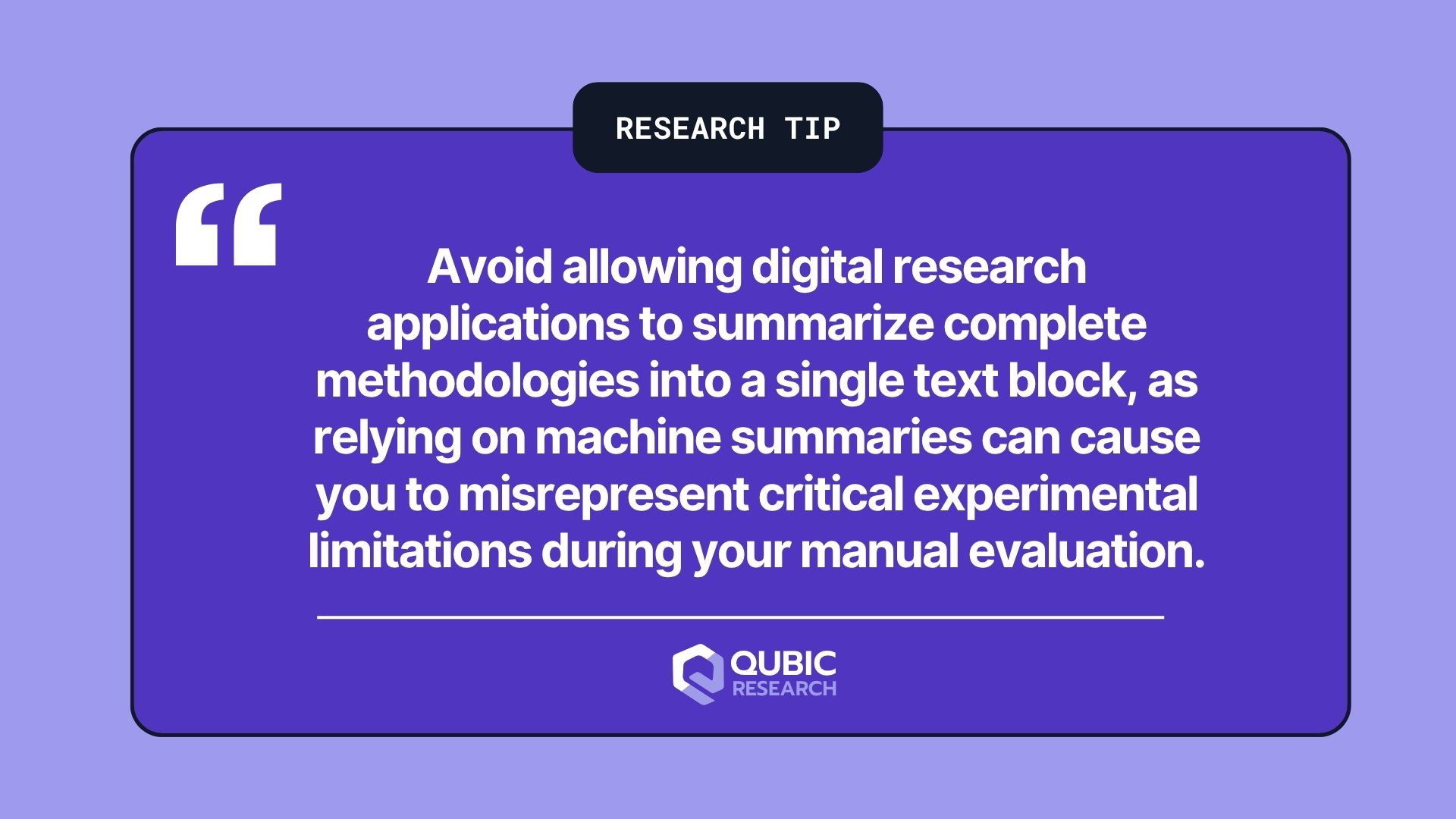
Using conversational workflows to extract data fields, compare sample sizes, or locate specific Digital Object Identifier links is completely safe. However, you should never allow an automated tool to write your actual summary sentences, because machine platforms often miss the subtle context and experimental limits of your data.
How do reference management extensions protect a bibliography from compliance errors?
Reference management extensions protect your bibliography by capturing complete metadata directly from the publisher’s digital repository. This automated step extracts the exact titles, volumes, page numbers, and links instantly, which eliminates the spacing, punctuation, and capitalization mistakes caused by manual typing.
Will university submission filters flag a bibliography if I use AI search tools to find sources?
No, university submission portals will not flag your bibliography for using advanced search methods to locate real, peer-reviewed URLs. Your document will only trigger integrity alerts if you copy machine-generated paragraphs into your draft instead of writing the analytical synthesis in your own words.